
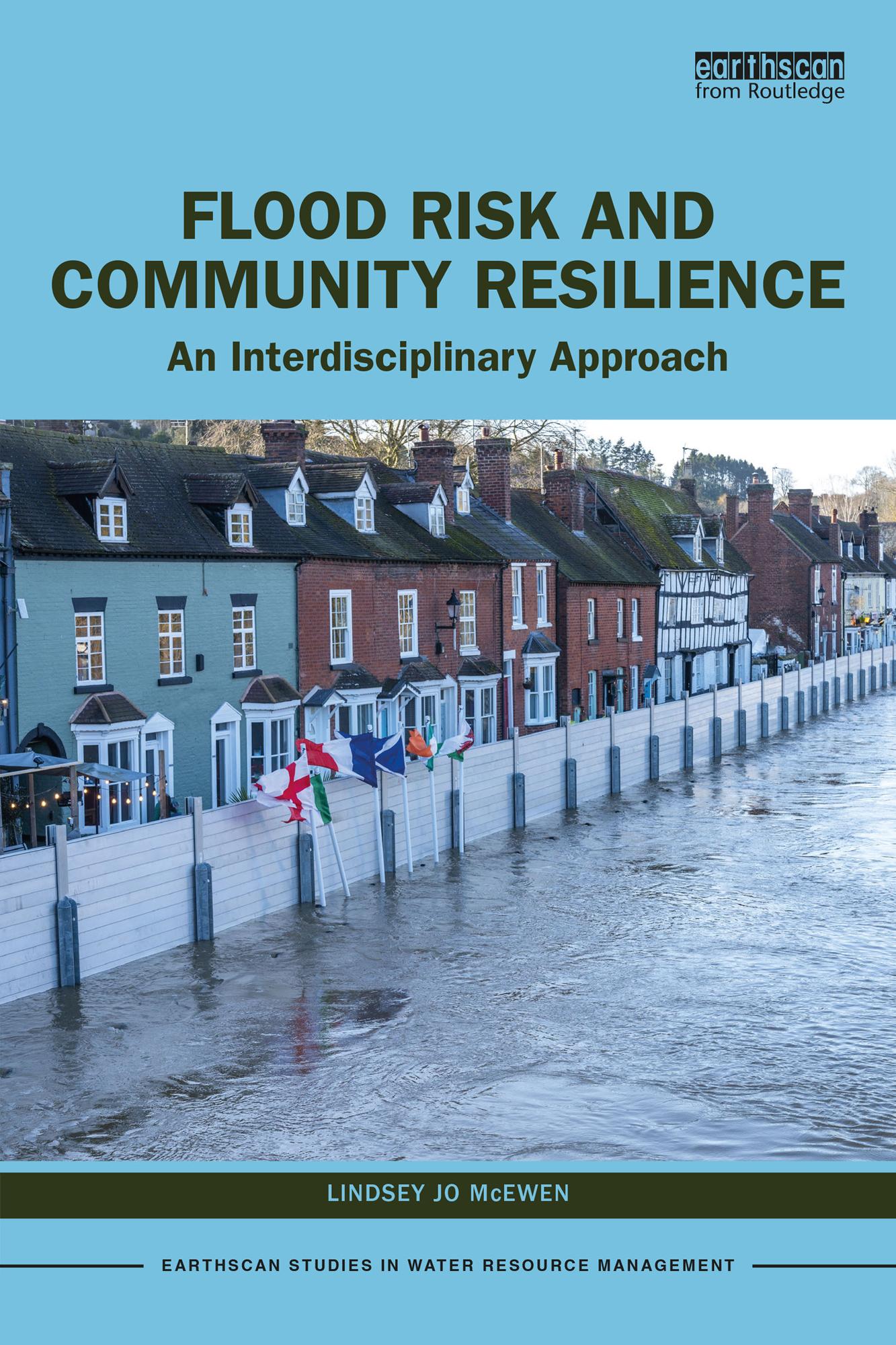
This book details the impact of flooding on our environment, and the ways in which communities, and those that work with them, can act to manage the associated risks.
Flooding is an increasingly significant environmental hazard which inflicts major costs to the economies and livelihoods of developed countries. This book explores how local communities can identify, manage, and adapt to the ever-increasing damage flooding causes. Focusing on the future role of local communities, the benefits and challenges of their involvement, and the potential areas of transformation, this book provides insights into the efficacy of interdisciplinary and transdisciplinary working. Alongside research into similar environmental hazards, this book also draws upon the author’s own knowledge of flood risk management in distinctive non-contiguous interdisciplinary settings. The chapters draw together a different and distinctive set of interdisciplinary themes in flood risk management and social resilience. In doing so, it strives to communicate the different ways of thinking that can usefully contribute to flood risk management.
This book would be ideal for those researching flood risk management, alongside scholars and non-scholars alike who are interested in finding ways of adapting to environmental hazards working with local communities.
Betaal eenvoudig met kaart, Klarna, Apple Pay of Google Pay. Niet tevreden? Je hebt altijd 14 dagen bedenktijd. Lees meer in onze voorwaarden. Heb je vragen, mail ons dan via hello@memmo.org.
Memmo maakt studeren makkelijker – waar je ook bent ter wereld. Wij brengen je cursusboeken en slimme studietools samen op één plek: samenvattingen, quizzen, podcasts en flashcards. En Ted, je studievriend die antwoord geeft op alles wat je je afvraagt. Meer dan 50.000 studenten studeren hier al – gebouwd om je sneller te laten leren en minder stress te geven.