
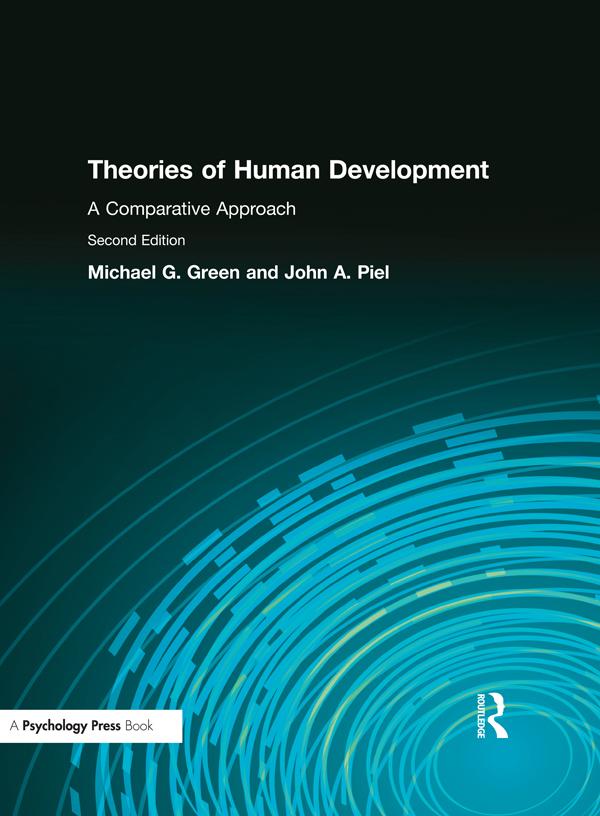
The authors have grouped the theories into three classical "families" which differ in their views relative to the prime motives underlying human nature. They show how theories are specific examples of more general points of view called paradigms. The theories chosen to represent the three paradigms (the Endogenous Paradigm, Exogenous Paradigm, and the Constructivist Paradigm) were selected because they met four criteria:
- importance, as judged by academic and research psychologists
- fertility, as judged by the amount of research the theory has generated
- scope, as judged by the variety of phenomena the various theories explain
- family resemblance, as judged by how well each theory represents its paradigm
The authors present the "paradigm case" in the lead chapter for each paradigm. This paradigm case is the "best example" for the paradigm. The authors explain why paradigm cases are important, and give them more detailed treatment than other theories in the same paradigm.
Betaal eenvoudig met kaart, Klarna, Apple Pay of Google Pay. Niet tevreden? Je hebt altijd 14 dagen bedenktijd. Lees meer in onze voorwaarden. Heb je vragen, mail ons dan via hello@memmo.org.
Memmo maakt studeren makkelijker – waar je ook bent ter wereld. Wij brengen je cursusboeken en slimme studietools samen op één plek: samenvattingen, quizzen, podcasts en flashcards. En Ted, je studievriend die antwoord geeft op alles wat je je afvraagt. Meer dan 50.000 studenten studeren hier al – gebouwd om je sneller te laten leren en minder stress te geven.