
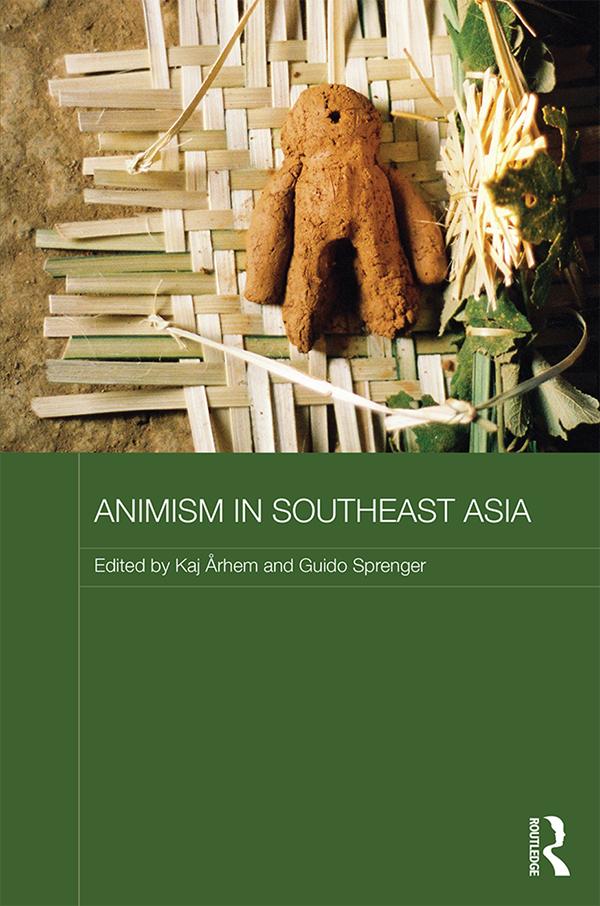
Animism refers to ontologies or worldviews which assign agency and personhood to human and non-human beings alike. Recent years have seen a revival of this concept in anthropology, where it is now discussed as an alternative to modern-Western naturalistic notions of human-environment relations.
Based on original fieldwork, this book presents a number of case studies of animism from insular and peninsular Southeast Asia and offers a comprehensive overview of the phenomenon – its diversity and underlying commonalities and its resilience in the face of powerful forces of change. Critically engaging with the current standard notion of animism, based on hunter-gatherer and horticulturalist societies in other regions, it examines the roles of life forces, souls and spirits in local cosmologies and indigenous religion. It proposes an expansion of the concept to societies featuring mixed farming, sacrifice and hierarchy and explores the question of how non-human agents are created through acts of attention and communication, touching upon the relationship between animist ontologies, world religion, and the state.
Shedding new light on Southeast Asian religious ethnographic research, the book is a significant contribution to anthropological theory and the revitalization of the concept of animism in the humanities and social sciences.
Betaal eenvoudig met kaart, Klarna, Apple Pay of Google Pay. Niet tevreden? Je hebt altijd 14 dagen bedenktijd. Lees meer in onze voorwaarden. Heb je vragen, mail ons dan via hello@memmo.org.
Memmo maakt studeren makkelijker – waar je ook bent ter wereld. Wij brengen je cursusboeken en slimme studietools samen op één plek: samenvattingen, quizzen, podcasts en flashcards. En Ted, je studievriend die antwoord geeft op alles wat je je afvraagt. Meer dan 50.000 studenten studeren hier al – gebouwd om je sneller te laten leren en minder stress te geven.