
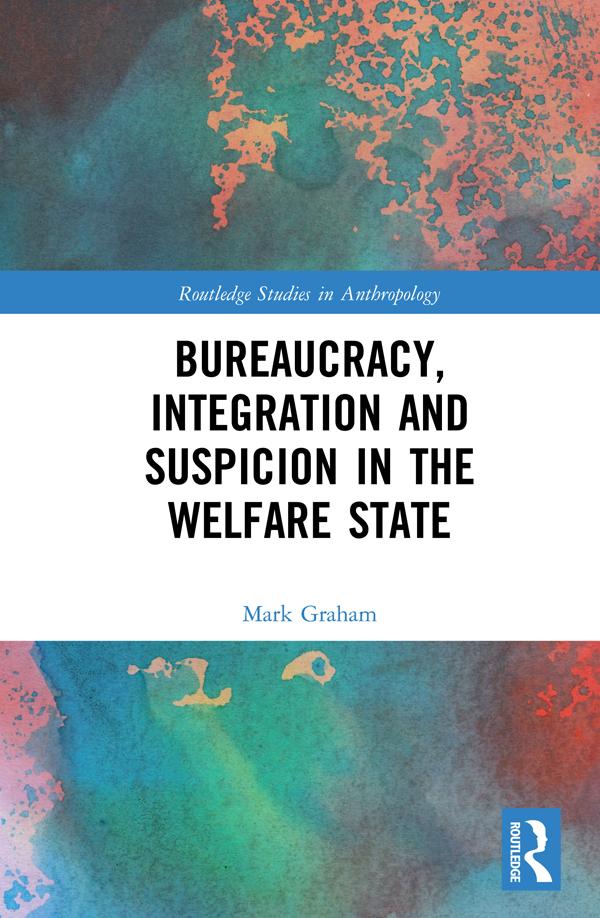
This book explores how the often well-meaning routines and assumptions of a generous welfare state can reflect and even contribute to the stigmatisation of refugees and Muslims in Europe today. While the main cases are from Sweden, examples are included from the UK, France, Switzerland, Germany and the Netherlands. Mark Graham examines how suspicion is woven into the fabric of welfare bureaucracies with potential adverse consequences for the people they serve. He complicates our understanding of what Islamophobia means, and how it is expressed and created, by exploring contexts in which the logic of "othering" Muslims operates, but where explicit Islamophobia itself is absent. The book starts with Swedish public-sector bureaucracies and attempts by staff to make sense of Muslim refugee clients with categories and models that reappear in wider society. It goes on to explore the logic of integration policies, official concepts of culture, Swedish multiculturalism, educational strategies in schools, and debates surrounding "genuine" and "false" refugees. In all cases, the homologies between these different socio-cultural domains are explored.
Betaal eenvoudig met kaart, Klarna, Apple Pay of Google Pay. Niet tevreden? Je hebt altijd 14 dagen bedenktijd. Lees meer in onze voorwaarden. Heb je vragen, mail ons dan via hello@memmo.org.
Memmo maakt studeren makkelijker – waar je ook bent ter wereld. Wij brengen je cursusboeken en slimme studietools samen op één plek: samenvattingen, quizzen, podcasts en flashcards. En Ted, je studievriend die antwoord geeft op alles wat je je afvraagt. Meer dan 50.000 studenten studeren hier al – gebouwd om je sneller te laten leren en minder stress te geven.