
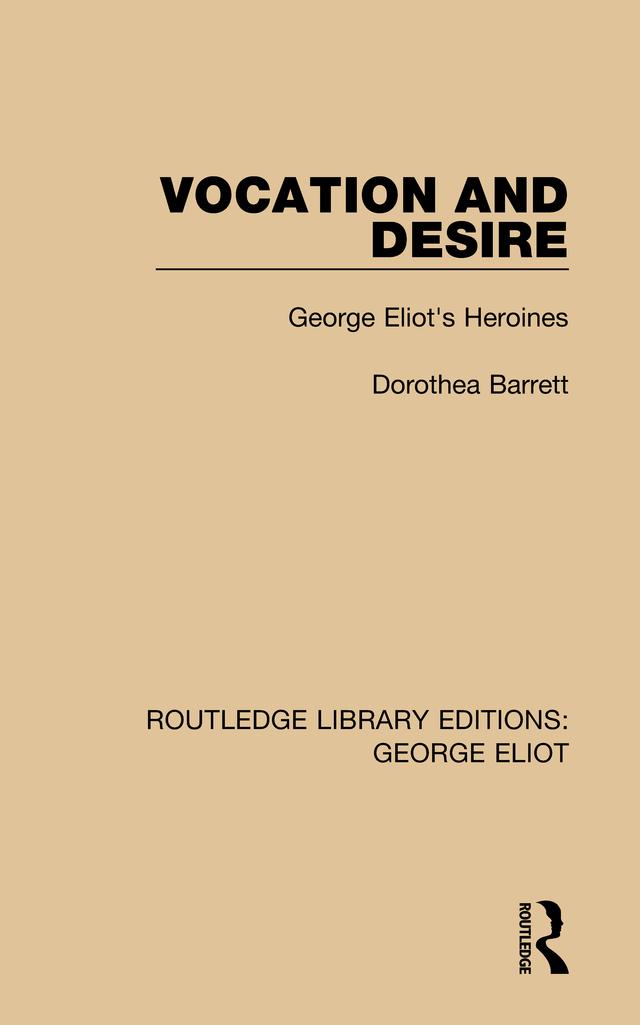
First published in 1989. Generations of critics have seen George Eliot as a conservative Victorian high moralist and sybil. Vocation and Desire questions that image, and finds in her work elements of anger, feminism, subversiveness, revenge, iconoclasm, wit, and eroticism – elements that we have been taught not to expect. After looking at the development of the sybilline image and the gradual eclipse of the subversive George Eliot – which Eliot herself initiated – Dorothea Barrett goes on to investigate the evidence of the novels themselves and finds an alternative emphasis. Her study of the heroines of the six major novels and issues of language and desire provides a refreshing and acute analysis of the contradictions and strengths of Eliot’s work. She also considers the reception of George Eliot by feminist critics and the broader implications of her work for contemporary feminism. This title will be of interest to students of literature.
Betaal eenvoudig met kaart, Klarna, Apple Pay of Google Pay. Niet tevreden? Je hebt altijd 14 dagen bedenktijd. Lees meer in onze voorwaarden. Heb je vragen, mail ons dan via hello@memmo.org.
Memmo maakt studeren makkelijker – waar je ook bent ter wereld. Wij brengen je cursusboeken en slimme studietools samen op één plek: samenvattingen, quizzen, podcasts en flashcards. En Ted, je studievriend die antwoord geeft op alles wat je je afvraagt. Meer dan 50.000 studenten studeren hier al – gebouwd om je sneller te laten leren en minder stress te geven.