
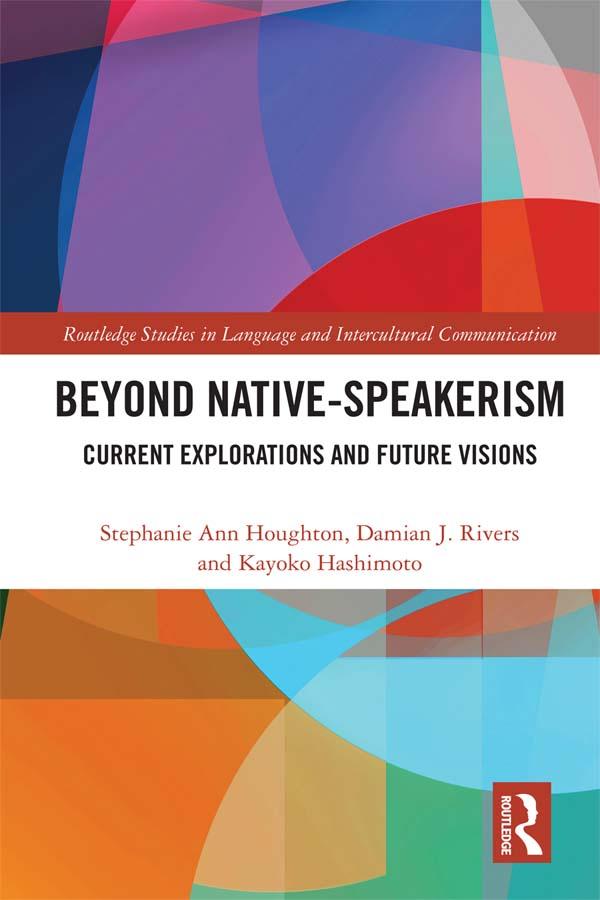
Despite unsubstantiated claims of best practice, the division of language-teaching professionals on the basis of their categorization as ‘native-speakers’ or ‘non-native speakers’ continues to cascade throughout the academic literature. It has become normative, under the rhetorical guise of acting to correct prejudice and/or discrimination, to see native-speakerism as having a single beneficiary – the ‘native-speaker’ – and a single victim – the ‘non-native’ speaker. However, this unidirectional perspective fails to deal with the more veiled systems through which those labeled as native-speakers and non-native speakers are both cast as casualties of this questionable bifurcation. This volume documents such complexities and aims to fill the void currently observable within mainstream academic literature in the teaching of both English, and Japanese, foreign language education. By identifying how the construct of Japanese native-speaker mirrors that of the ‘native-speaker’ of English, the volume presents a revealing insight into language teaching in Japan. Further, taking a problem-solving approach, this volume explores possible grounds on which language teachers could be employed if native-speakerism is rejected according to experts in the fields of intercultural communicative competence, English as a Lingua Franca and World Englishes, all of which aim to replace the ‘native-speaker’ model with something new.
Betaal eenvoudig met kaart, Klarna, Apple Pay of Google Pay. Niet tevreden? Je hebt altijd 14 dagen bedenktijd. Lees meer in onze voorwaarden. Heb je vragen, mail ons dan via hello@memmo.org.
Memmo maakt studeren makkelijker – waar je ook bent ter wereld. Wij brengen je cursusboeken en slimme studietools samen op één plek: samenvattingen, quizzen, podcasts en flashcards. En Ted, je studievriend die antwoord geeft op alles wat je je afvraagt. Meer dan 50.000 studenten studeren hier al – gebouwd om je sneller te laten leren en minder stress te geven.