
"I’m good Hamlet gi’me a cause for grief"
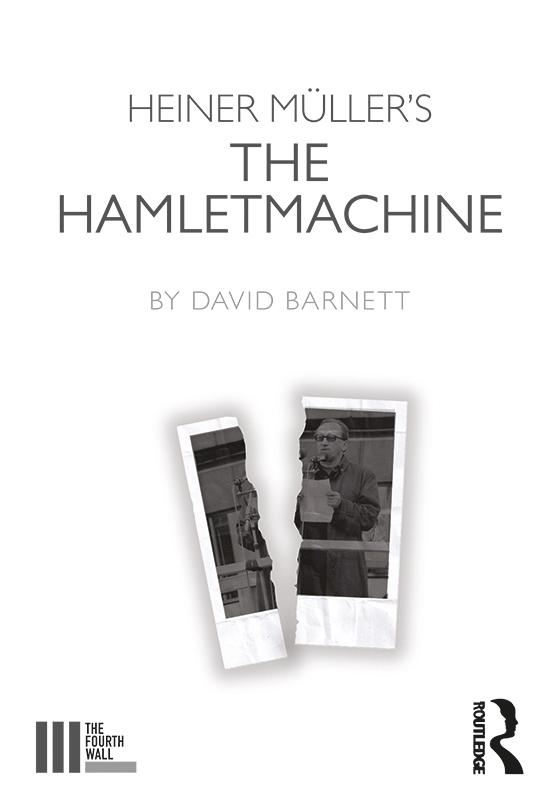
At first glance, readers of The Hamletmachine (1979) could be forgiven for wondering whether it is actually a play at all: it opens with a montage of texts that are not ascribed to a character, there is no vestige of a plot, and the whole piece lasts a total of ten pages.
Yet, Heiner Müller’s play regularly features in theatres’ repertoires and is frequently staged by university theatre departments. In four short chapters, David Barnett unpicks the complexities of The Hamletmachine’s writing and frames its author as an experimental, politically committed writer who confronts the shortcomings of his age. In considering the problems Müller poses for the play’s performance, he also discusses two exemplary productions in order to show how the work can engage very different audiences.
This book examines why such a compact, radically open, and yet seemingly obscure play has proved so popular.
Betaal eenvoudig met kaart, Klarna, Apple Pay of Google Pay. Niet tevreden? Je hebt altijd 14 dagen bedenktijd. Lees meer in onze voorwaarden. Heb je vragen, mail ons dan via hello@memmo.org.
Memmo maakt studeren makkelijker – waar je ook bent ter wereld. Wij brengen je cursusboeken en slimme studietools samen op één plek: samenvattingen, quizzen, podcasts en flashcards. En Ted, je studievriend die antwoord geeft op alles wat je je afvraagt. Meer dan 50.000 studenten studeren hier al – gebouwd om je sneller te laten leren en minder stress te geven.