
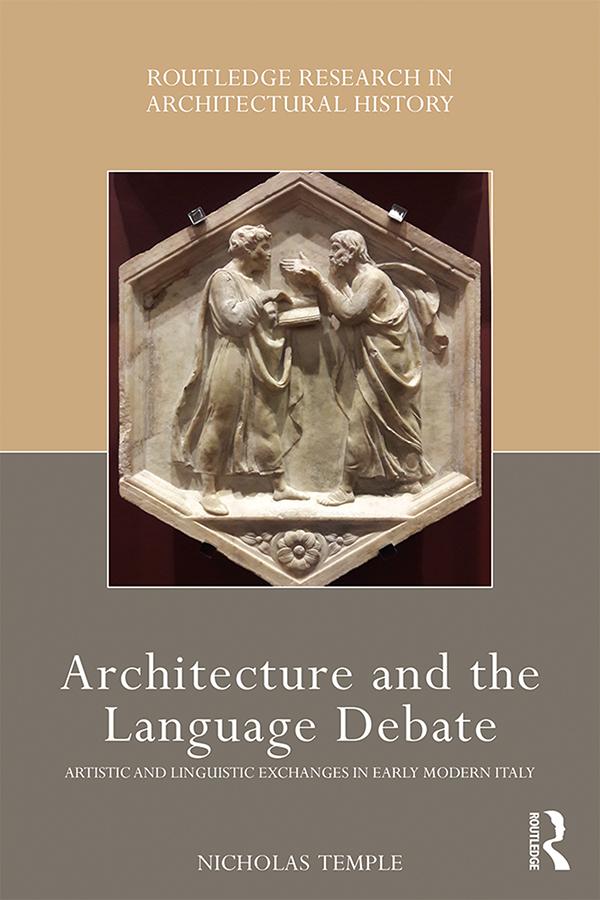
This book examines the creative exchanges between architects, artists and intellectuals, from the Early Renaissance to the beginning of the Enlightenment, in the forging of relationships between architecture and emerging concepts of language in early modern Italy. The study extends across the spectrum of linguistic disputes during this time – among members of the clergy, humanists, philosophers and polymaths – on issues of grammar, rhetoric, philology, etymology and epigraphy, and how these disputes paralleled and informed important developments in architectural thinking and practice. Drawing upon a wealth of primary source material, such as humanist tracts, philosophical works, architectural/antiquarian treatises, epigraphic/philological studies, religious sermons and grammaticae, the book traces key periods when the emerging field of linguistics in early modern Italy impacted on the theory, design and symbolism of buildings.
Betaal eenvoudig met kaart, Klarna, Apple Pay of Google Pay. Niet tevreden? Je hebt altijd 14 dagen bedenktijd. Lees meer in onze voorwaarden. Heb je vragen, mail ons dan via hello@memmo.org.
Memmo maakt studeren makkelijker – waar je ook bent ter wereld. Wij brengen je cursusboeken en slimme studietools samen op één plek: samenvattingen, quizzen, podcasts en flashcards. En Ted, je studievriend die antwoord geeft op alles wat je je afvraagt. Meer dan 50.000 studenten studeren hier al – gebouwd om je sneller te laten leren en minder stress te geven.