
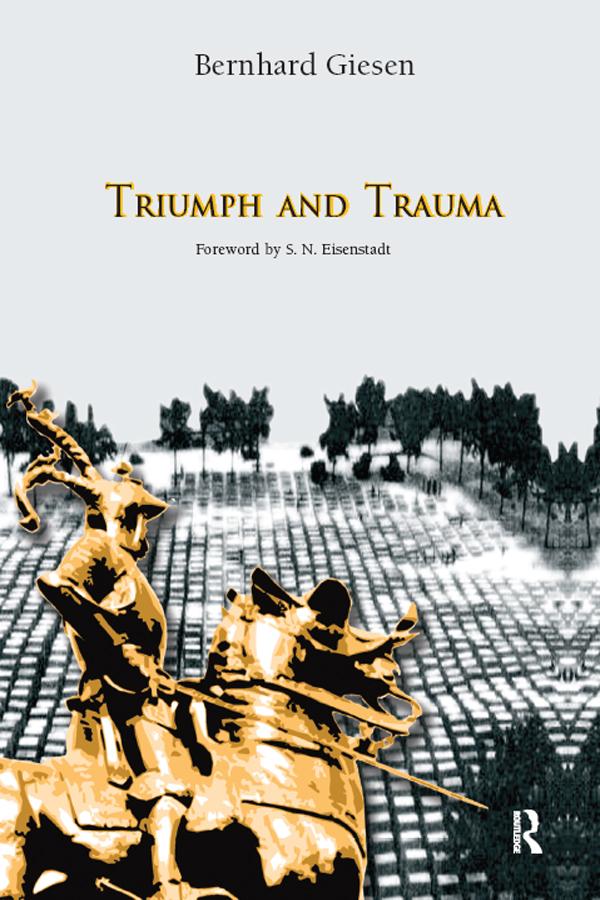
This book deals with triumphant and tragic heroes, with victims and perpetrators as archetypes of the Western imagination. A major recent change in Western societies is that memories of triumphant heroism-for example, the revolutionary uprising of the people-are increasingly replaced by the public remembrance of collective trauma of genocide, slavery and expulsion. The first part of the book deals with the heroes and victims and explores the social construction of charisma and its inevitable decay. Part 2 focuses on a paradigm case of the collective trauma of perpetrators: German national identity between 1945 and 2000. After a time of latency, the legacy of nationalistic trauma was addressed in a public conflict between generations. The conflict took center stage in vivid public debates and became a core element of Germany's official political culture. Today public confessions of the guilt of the past have spread beyond the German case. They are part of a new post-utopian pattern of collective identity in a globalised setting.
Betaal eenvoudig met kaart, Klarna, Apple Pay of Google Pay. Niet tevreden? Je hebt altijd 14 dagen bedenktijd. Lees meer in onze voorwaarden. Heb je vragen, mail ons dan via hello@memmo.org.
Memmo maakt studeren makkelijker – waar je ook bent ter wereld. Wij brengen je cursusboeken en slimme studietools samen op één plek: samenvattingen, quizzen, podcasts en flashcards. En Ted, je studievriend die antwoord geeft op alles wat je je afvraagt. Meer dan 50.000 studenten studeren hier al – gebouwd om je sneller te laten leren en minder stress te geven.
Misschien vind je dit ook leuk
Koop het boek0