
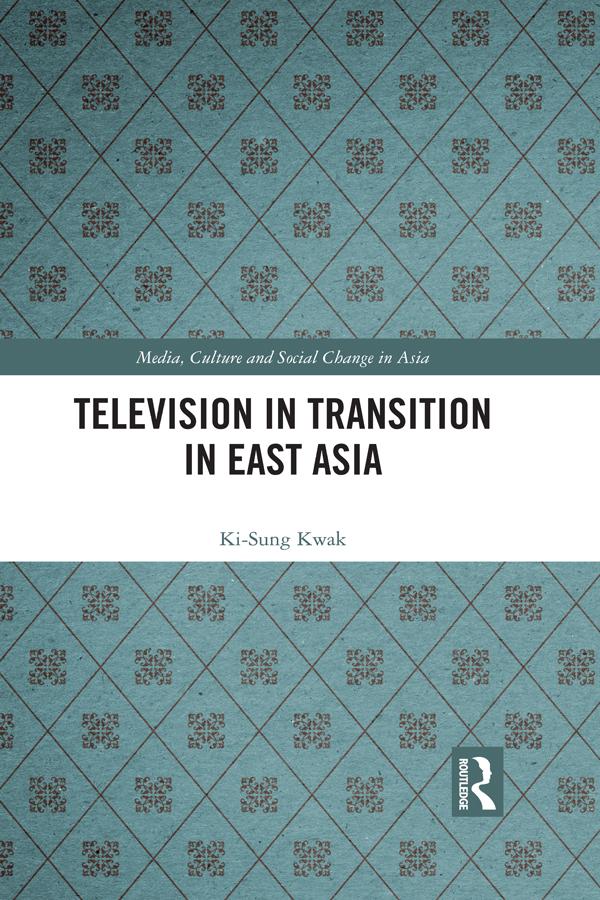
This book examines the development of television broadcasting in Japan, Hong Kong and South Korea. It explores the policy regimes guiding the development of television broadcasting as a powerful institution and the extent to which new forms of television have become part of each country’s contemporary media mix. It analyses the interests involved in key policy decisions, the institutional dynamics promoting or inhibiting new media markets, and the relative importance in the different countries of cable, satellite, digital broadcasting, and the use of the Internet for purposes associated with television broadcasting. The nature of television regimes in each of the three countries is very different, and the contrasting situations provide great insights into how television is developing, and how it could develop further, both in East Asia and worldwide.
Betaal eenvoudig met kaart, Klarna, Apple Pay of Google Pay. Niet tevreden? Je hebt altijd 14 dagen bedenktijd. Lees meer in onze voorwaarden. Heb je vragen, mail ons dan via hello@memmo.org.
Memmo maakt studeren makkelijker – waar je ook bent ter wereld. Wij brengen je cursusboeken en slimme studietools samen op één plek: samenvattingen, quizzen, podcasts en flashcards. En Ted, je studievriend die antwoord geeft op alles wat je je afvraagt. Meer dan 50.000 studenten studeren hier al – gebouwd om je sneller te laten leren en minder stress te geven.