
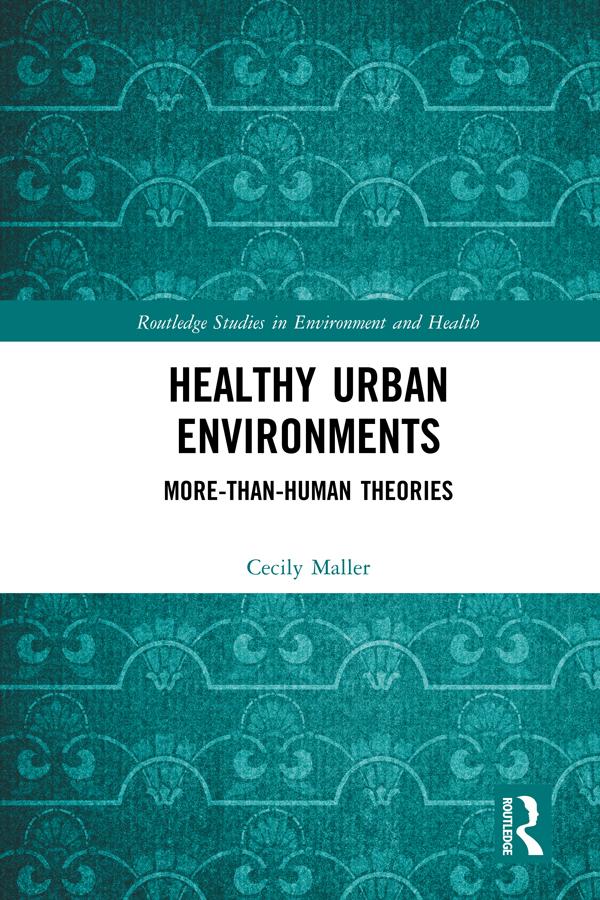
Set in the ‘human–environment’ interaction space, this book applies new theoretical and practical insights to understanding what makes healthy urban environments. It stems from recognition that the world is rapidly urbanising and the international concern with how to create healthy settings and liveable cities in the context of a rapidly changing planet. A key argument is that usual attempts to make healthy cities are limited by human-centrism and bifurcated, western thinking about cities, health and nature. Drawing on the innovative ‘more-than-human’ scholarship from a range of disciplines, it presents a synthesis of the main contributions, and how they can be used to rethink what healthy urban environments are, and who they are for. In particular, the book turns its attention to urban biodiversity and the many non-human species that live in, make and share cities with humans.
The book will be of interest to scholars and students in human geography, health sociology, environmental humanities, public health, health promotion, planning and urban design, as well as policymakers and professionals working in these fields.
Betaal eenvoudig met kaart, Klarna, Apple Pay of Google Pay. Niet tevreden? Je hebt altijd 14 dagen bedenktijd. Lees meer in onze voorwaarden. Heb je vragen, mail ons dan via hello@memmo.org.
Memmo maakt studeren makkelijker – waar je ook bent ter wereld. Wij brengen je cursusboeken en slimme studietools samen op één plek: samenvattingen, quizzen, podcasts en flashcards. En Ted, je studievriend die antwoord geeft op alles wat je je afvraagt. Meer dan 50.000 studenten studeren hier al – gebouwd om je sneller te laten leren en minder stress te geven.