
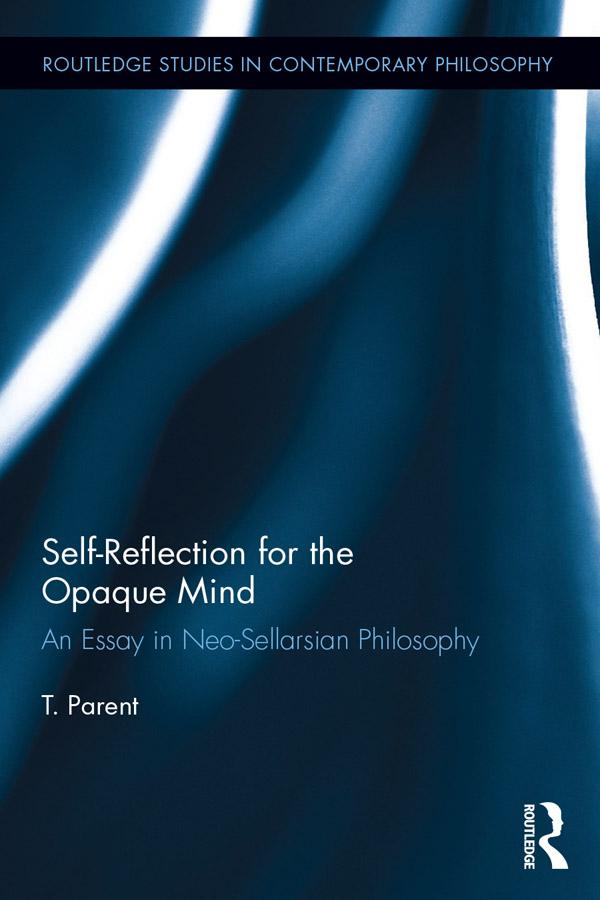
This volume attempts to solve a grave problem about critical self-reflection. The worry is that we critical thinkers are all in "epistemic bad faith" in light of what psychology tells us. After all, the research shows not merely that we are bad at detecting "ego-threatening" thoughts à la Freud. It also indicates that we are ignorant of even our ordinary thoughts—e.g., reasons for our moral judgments of others (Haidt 2001), and even mundane reasons for buying one pair of stockings over another! (Nisbett & Wilson 1977) However, reflection on one’s thoughts requires knowing what those thoughts are in the first place. So if ignorance is the norm, why attempt self-reflection? The activity would just display naivety about psychology. Yet while respecting all the data, this book argues that, remarkably, we are sometimes infallible in our self-discerning judgments. Even so, infallibility does not imply indubitability, and there is no Cartesian ambition to provide a "foundation" for empirical knowledge. The point is rather to explain how self-reflection as a rational activity is possible.
Betaal eenvoudig met kaart, Klarna, Apple Pay of Google Pay. Niet tevreden? Je hebt altijd 14 dagen bedenktijd. Lees meer in onze voorwaarden. Heb je vragen, mail ons dan via hello@memmo.org.
Memmo maakt studeren makkelijker – waar je ook bent ter wereld. Wij brengen je cursusboeken en slimme studietools samen op één plek: samenvattingen, quizzen, podcasts en flashcards. En Ted, je studievriend die antwoord geeft op alles wat je je afvraagt. Meer dan 50.000 studenten studeren hier al – gebouwd om je sneller te laten leren en minder stress te geven.