
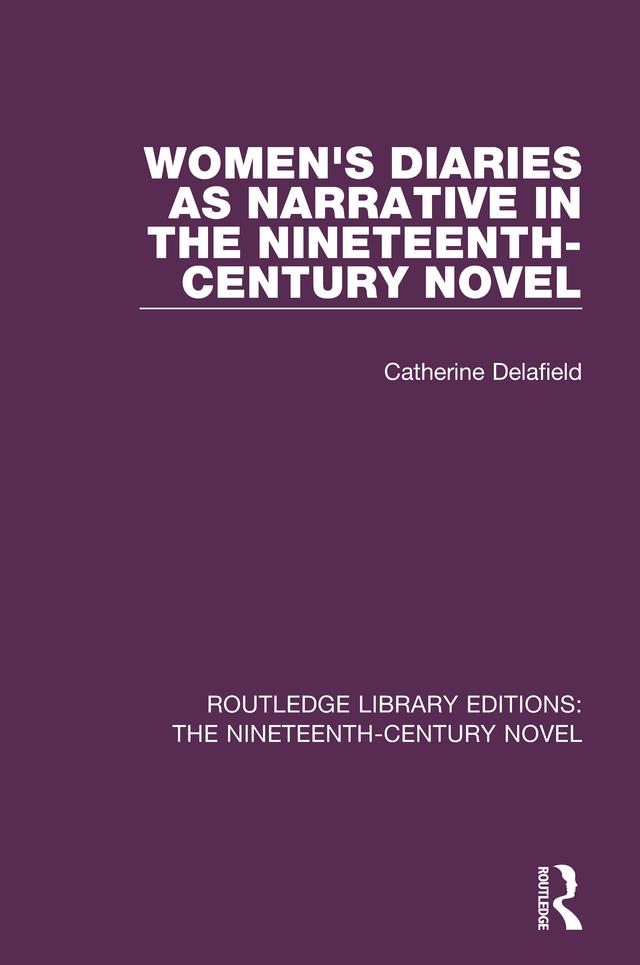
First published in 2009, this book investigates the cultural significance of nineteenth-century women’s writing and reading practices. Beginning with an examination of non-fictional diaries and the practice of diary writing, it assesses the interaction between the fictional diary and other forms of literary production such as epistolary narrative, the periodical, the factual document and sensation fiction. The discrepancies between the private diary and its use as a narrative device are explored through the writings of Frances Burney, Elizabeth Gaskell, Anne Brontë, Dinah Craik, Wilkie Collins and Bram Stoker. It also considers women as writers, readers and subjects and demonstrates ways in which women could become performers of their own story through a narrative method which was authorized by their femininity and at the same time allowed them to challenge the myth of domestic womanhood.
This book will be of interest to those studying 19th century literature and women in literature.
Betaal eenvoudig met kaart, Klarna, Apple Pay of Google Pay. Niet tevreden? Je hebt altijd 14 dagen bedenktijd. Lees meer in onze voorwaarden. Heb je vragen, mail ons dan via hello@memmo.org.
Memmo maakt studeren makkelijker – waar je ook bent ter wereld. Wij brengen je cursusboeken en slimme studietools samen op één plek: samenvattingen, quizzen, podcasts en flashcards. En Ted, je studievriend die antwoord geeft op alles wat je je afvraagt. Meer dan 50.000 studenten studeren hier al – gebouwd om je sneller te laten leren en minder stress te geven.