
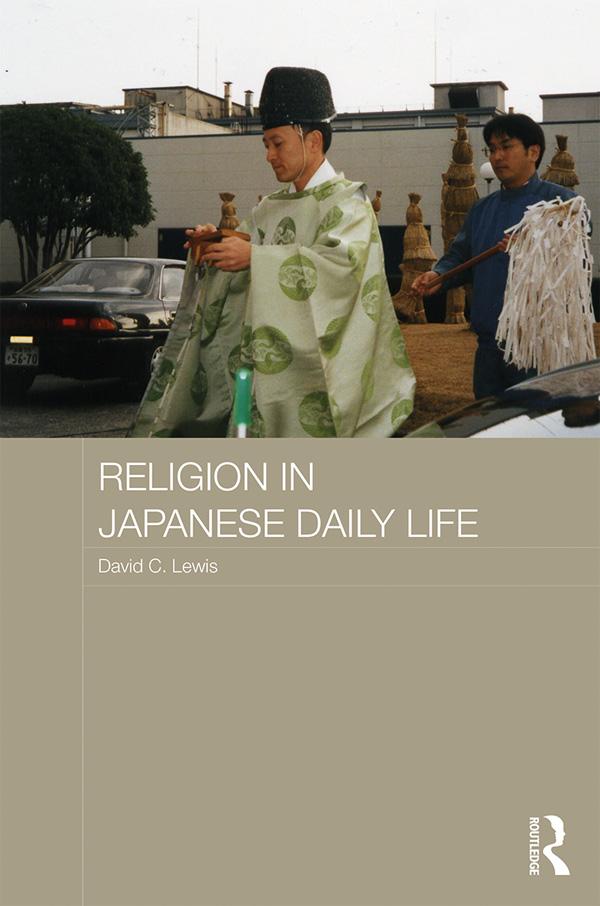
Are Japanese people religious – and, if so, in what ways? David Lewis addresses this question from the perspective of ordinary Japanese people in the context of their life cycles, and explores why they engage in religious activities. He not only discusses how Japanese people engage in different religious practices as they encounter new events in their lives but also analyses the attitudes and motivations behind their behaviour. Activities such as fortune-telling, religious rites in the workplace, ancestral rites and visits to shrines and temples are actually engaged in by many people who view themselves as ‘non- religious’ but express their motivations in terms other than the conventional ‘religious’ ones. This book outlines the religious options available, and assesses why people choose particular religious activities at various times in their lives or in specific circumstances. The author challenges some widespread assumptions about religion in urban and industrial contexts and also shows how some of the underlying motivations behind Japanese behaviour are expressed both in religious and non-religious forms.
Betaal eenvoudig met kaart, Klarna, Apple Pay of Google Pay. Niet tevreden? Je hebt altijd 14 dagen bedenktijd. Lees meer in onze voorwaarden. Heb je vragen, mail ons dan via hello@memmo.org.
Memmo maakt studeren makkelijker – waar je ook bent ter wereld. Wij brengen je cursusboeken en slimme studietools samen op één plek: samenvattingen, quizzen, podcasts en flashcards. En Ted, je studievriend die antwoord geeft op alles wat je je afvraagt. Meer dan 50.000 studenten studeren hier al – gebouwd om je sneller te laten leren en minder stress te geven.