
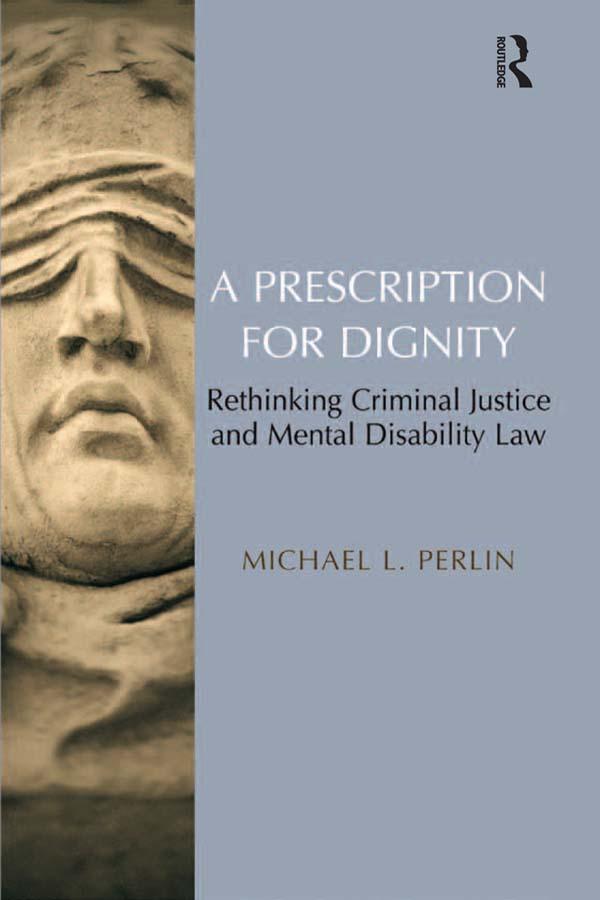
Examining the treatment of persons with mental disabilities in the criminal justice system, this book offers new perspectives that are crucial to an understanding of the ways in which society projects onto criminal defendants prejudices and attitudes about responsibility, free will, autonomy, choice, public safety, and the meaning and purpose of punishment, all with a focus on ways to enhance dignity in the criminal trial process. It is a detailed exploration of issues of adequacy of counsel; the impact of international human rights law, following the ratification of the United Nations Convention on the Rights of Persons with Disabilities (CRPD); the role of mental health courts; and the influence of therapeutic jurisprudence, procedural justice, and restorative justice on the legal process. It considers all of these perspectives in the context of criminal justice system issues such as competency findings, the insanity defense, and sentencing. Demonstrating how the question of treatment of persons with mental disabilities in the criminal justice system is not only a vital one for both scholars and practitioners, but also a central facet of international human rights law, this book suggests policy development, further scholarly inquiries, and newly invigorated thinking and action to place dignity at the core of the criminal justice system.
Betaal eenvoudig met kaart, Klarna, Apple Pay of Google Pay. Niet tevreden? Je hebt altijd 14 dagen bedenktijd. Lees meer in onze voorwaarden. Heb je vragen, mail ons dan via hello@memmo.org.
Memmo maakt studeren makkelijker – waar je ook bent ter wereld. Wij brengen je cursusboeken en slimme studietools samen op één plek: samenvattingen, quizzen, podcasts en flashcards. En Ted, je studievriend die antwoord geeft op alles wat je je afvraagt. Meer dan 50.000 studenten studeren hier al – gebouwd om je sneller te laten leren en minder stress te geven.
Misschien vind je dit ook leuk
Koop het boek0