
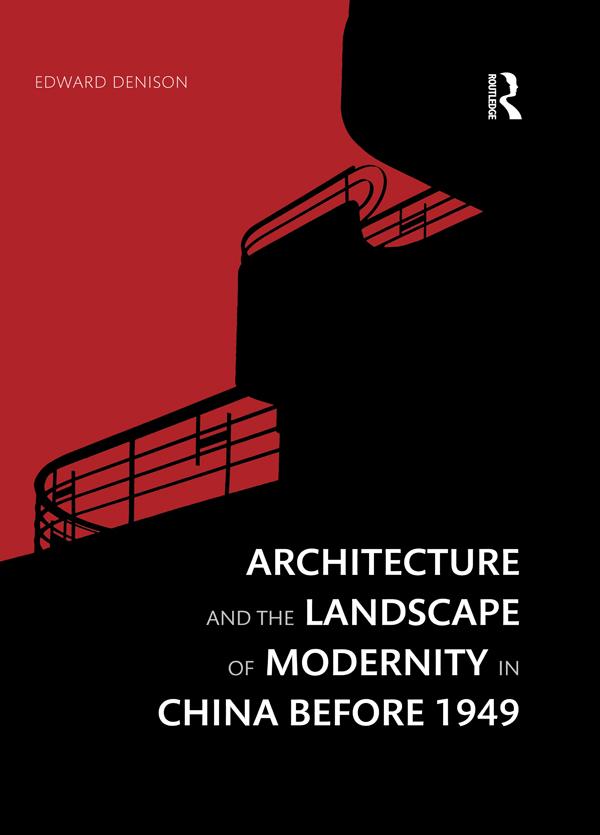
This book explores China’s encounter with architecture and modernity in the tumultuous epoch before Communism – an encounter that was mediated not by a singular notion of modernism emanating from the west, but that was uniquely multifarious, deriving from a variety of sources both from the west and, importantly, from the east. The heterogeneous origins of modernity in China are what make its experience distinctive and its architectural encounters exceptional.
These experiences are investigated through a re-evaluation of established knowledge of the subject within the wider landscape of modern art practices in China. The study draws on original archival and photographic material from different artistic genres and, architecturally, concentrates on China’s engagement with the west through the treaty ports and leased territories, the emergence of architecture as a profession in China, and Japan’s omnipresence, not least in Manchuria, which reached its apogee in the puppet state of Manchukuo.
The study’s geographically, temporally, and architecturally inclusive approach framed by the concept of multiple modernities questions the application of conventional theories of modernity or post-colonialism to the Chinese situation. By challenging conventional modernist historiography that has marginalised the experiences of the west’s other for much of the last century, this book proposes different ways of grappling with and comprehending the distinction and complexity of China’s experiences and its encounter with architectural modernity.
Betaal eenvoudig met kaart, Klarna, Apple Pay of Google Pay. Niet tevreden? Je hebt altijd 14 dagen bedenktijd. Lees meer in onze voorwaarden. Heb je vragen, mail ons dan via hello@memmo.org.
Memmo maakt studeren makkelijker – waar je ook bent ter wereld. Wij brengen je cursusboeken en slimme studietools samen op één plek: samenvattingen, quizzen, podcasts en flashcards. En Ted, je studievriend die antwoord geeft op alles wat je je afvraagt. Meer dan 50.000 studenten studeren hier al – gebouwd om je sneller te laten leren en minder stress te geven.