
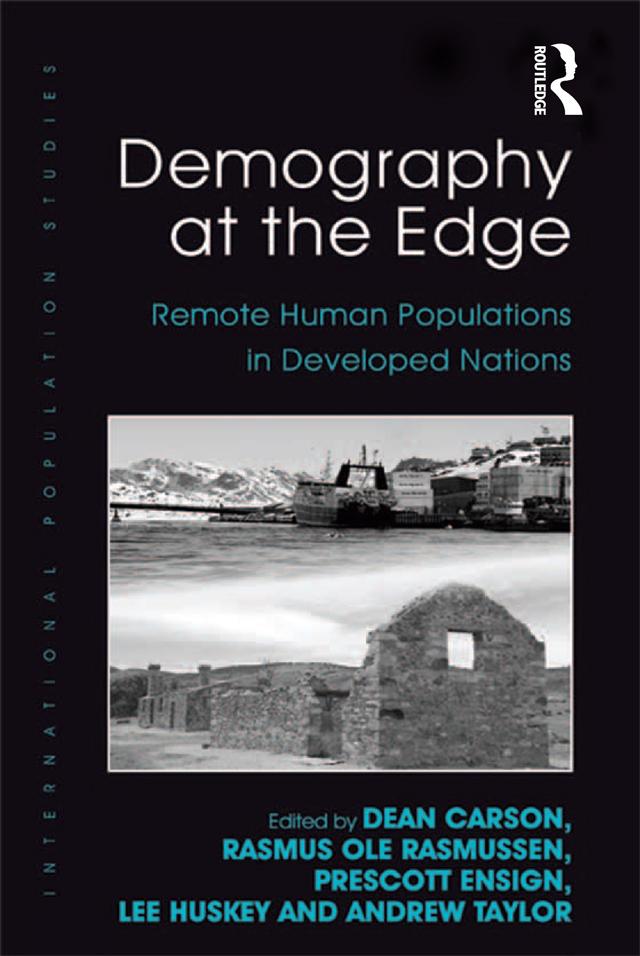
Addressing the methodological and topical challenges facing demographers working in remote regions, this book compares and contrasts the research, methods and models, and policy applications from peripheral regions in developed nations. With the emphasis on human populations as dynamic, adaptive, evolving systems, it explores how populations respond in different ways to changing environmental, cultural and economic conditions and how effectively they manage these change processes. Theoretical understandings and policy issues arising from demographic modelling are tackled including: competition for skilled workers; urbanisation and ruralisation; population ageing; the impacts of climate change; the life outcomes of Indigenous peoples; globalisation and international migration. Based on a strong theoretical framework around issues of heterogeneity, generational change, temporariness and the relative strength of internal and external ties, Demography at the Edge provides a common set of approaches and issues that benefit both researchers and practitioners.
Betaal eenvoudig met kaart, Klarna, Apple Pay of Google Pay. Niet tevreden? Je hebt altijd 14 dagen bedenktijd. Lees meer in onze voorwaarden. Heb je vragen, mail ons dan via hello@memmo.org.
Memmo maakt studeren makkelijker – waar je ook bent ter wereld. Wij brengen je cursusboeken en slimme studietools samen op één plek: samenvattingen, quizzen, podcasts en flashcards. En Ted, je studievriend die antwoord geeft op alles wat je je afvraagt. Meer dan 50.000 studenten studeren hier al – gebouwd om je sneller te laten leren en minder stress te geven.
Misschien vind je dit ook leuk
Koop het boek0