
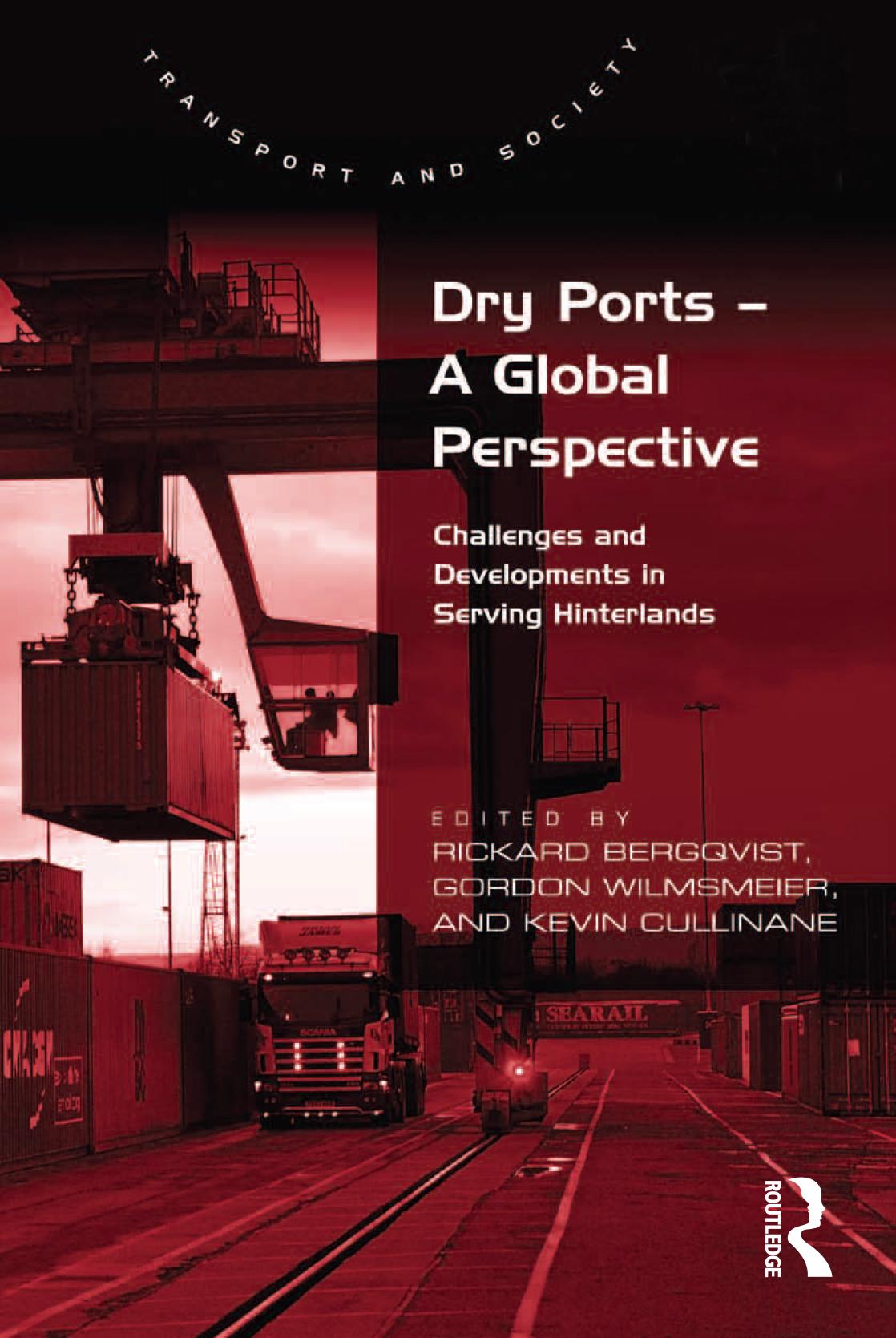
As centres for logistics activities, seaports have traditionally been the focus of maritime logistics chains. However, changes in production patterns, supported by the development of rapid transport of goods over long distances, have altered the logistics landscape. As a result, the relevance of port hinterland transport has become more important, with a consequent need for the high utilisation of transport resources and infrastructure through the consolidation of cargo flows and for seaports to extend their influence within their hinterlands to increase their competitiveness. The development worldwide of inland ports, terminals and dryports in their various forms, together with associated new functions and strategies, address these challenges in diverse ways to realise the potential benefits that come from the successful implementation of inland ports that connect seamlessly into transportation systems. This book comprises case studies and state-of-the-art examples of dryports in different parts of the world that have varying economic, social, institutional and environmental realities and which exhibit the complexity of, and diverse approaches to, this recent logistics phenomenon.
Betaal eenvoudig met kaart, Klarna, Apple Pay of Google Pay. Niet tevreden? Je hebt altijd 14 dagen bedenktijd. Lees meer in onze voorwaarden. Heb je vragen, mail ons dan via hello@memmo.org.
Memmo maakt studeren makkelijker – waar je ook bent ter wereld. Wij brengen je cursusboeken en slimme studietools samen op één plek: samenvattingen, quizzen, podcasts en flashcards. En Ted, je studievriend die antwoord geeft op alles wat je je afvraagt. Meer dan 50.000 studenten studeren hier al – gebouwd om je sneller te laten leren en minder stress te geven.
Misschien vind je dit ook leuk
Koop het boek0