
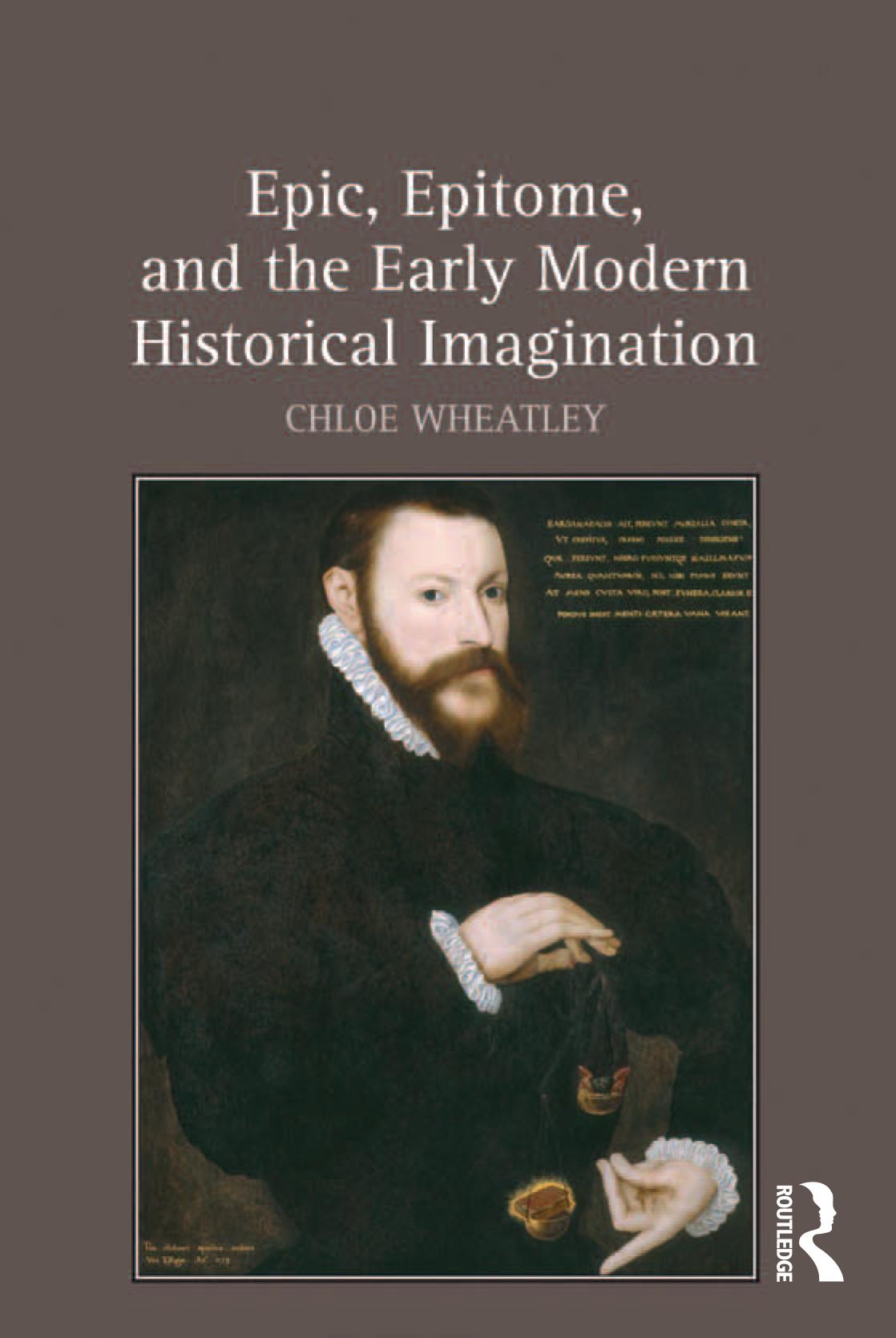
In early modern England, epitomes-texts promising to pare down, abridge, or sum up the essence of their authoritative sources-provided readers with key historical knowledge without the bulk, expense, or time commitment demanded by greater volumes. Epic poets in turn addressed the habits of reading and thinking that, for better and for worse, were popularized by the publication of predigested works. Analyzing popular texts such as chronicle summaries, abridgements of sacred epic, and abstracts of civil war debate, Chloe Wheatley charts the efflorescence of a lively early modern epitome culture, and demonstrates its impact upon Edmund Spenser's The Faerie Queene, Abraham Cowley's Davideis, and John Milton's Paradise Lost. Clearly and elegantly written, this new study presents fresh insight into how poets adapted an important epic convention-the representation of the hero's confrontation with summaries of past and future-to reflect contemporary trends in early modern history writing.
Betaal eenvoudig met kaart, Klarna, Apple Pay of Google Pay. Niet tevreden? Je hebt altijd 14 dagen bedenktijd. Lees meer in onze voorwaarden. Heb je vragen, mail ons dan via hello@memmo.org.
Memmo maakt studeren makkelijker – waar je ook bent ter wereld. Wij brengen je cursusboeken en slimme studietools samen op één plek: samenvattingen, quizzen, podcasts en flashcards. En Ted, je studievriend die antwoord geeft op alles wat je je afvraagt. Meer dan 50.000 studenten studeren hier al – gebouwd om je sneller te laten leren en minder stress te geven.
Misschien vind je dit ook leuk
Koop het boek0