
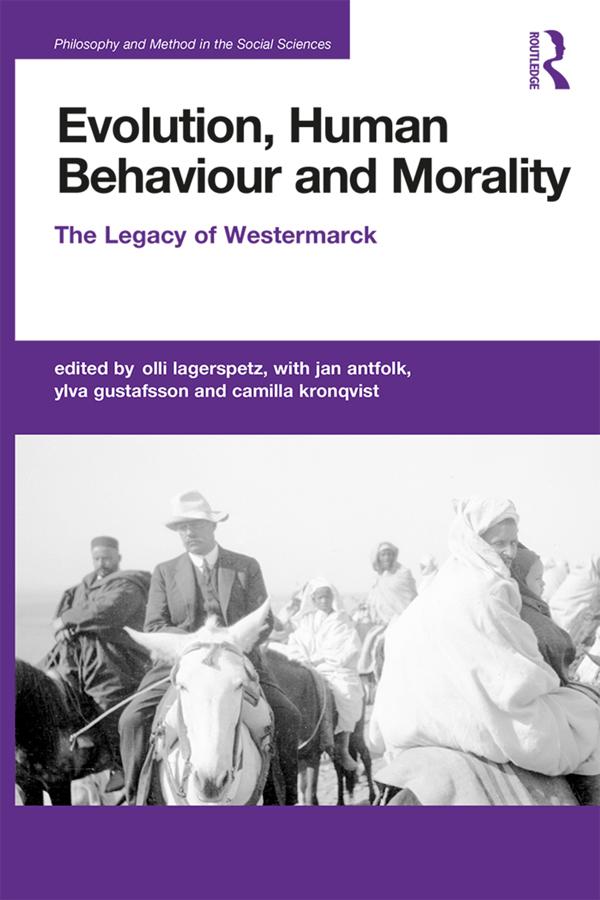
This book highlights the recent re-emergence of Edward Westermarck's work in modern approaches to morality and altruism, examining his importance as one of the founding fathers of anthropology and as a moral relativist, who identified our moral feelings with biologically-evolved retributive emotions.
Questioning the extent to which current debates on the relationship between biology and morality are similar to those in which Westermarck himself was involved, the authors ask what can be learnt from his arguments and from the criticism that he encountered. Drawing on Westermarck's manuscripts and papers as well as his published work, the authors show the importance of situating debates, whether modern or classical, in their correct methodological and philosophical context.
This volume is a rigorous assessment of the ways in which morality is connected with human biological nature. It plays close attention to the development of debates in this field and will appeal to scholars of sociology, anthropology and philosophy.
Betaal eenvoudig met kaart, Klarna, Apple Pay of Google Pay. Niet tevreden? Je hebt altijd 14 dagen bedenktijd. Lees meer in onze voorwaarden. Heb je vragen, mail ons dan via hello@memmo.org.
Memmo maakt studeren makkelijker – waar je ook bent ter wereld. Wij brengen je cursusboeken en slimme studietools samen op één plek: samenvattingen, quizzen, podcasts en flashcards. En Ted, je studievriend die antwoord geeft op alles wat je je afvraagt. Meer dan 50.000 studenten studeren hier al – gebouwd om je sneller te laten leren en minder stress te geven.