
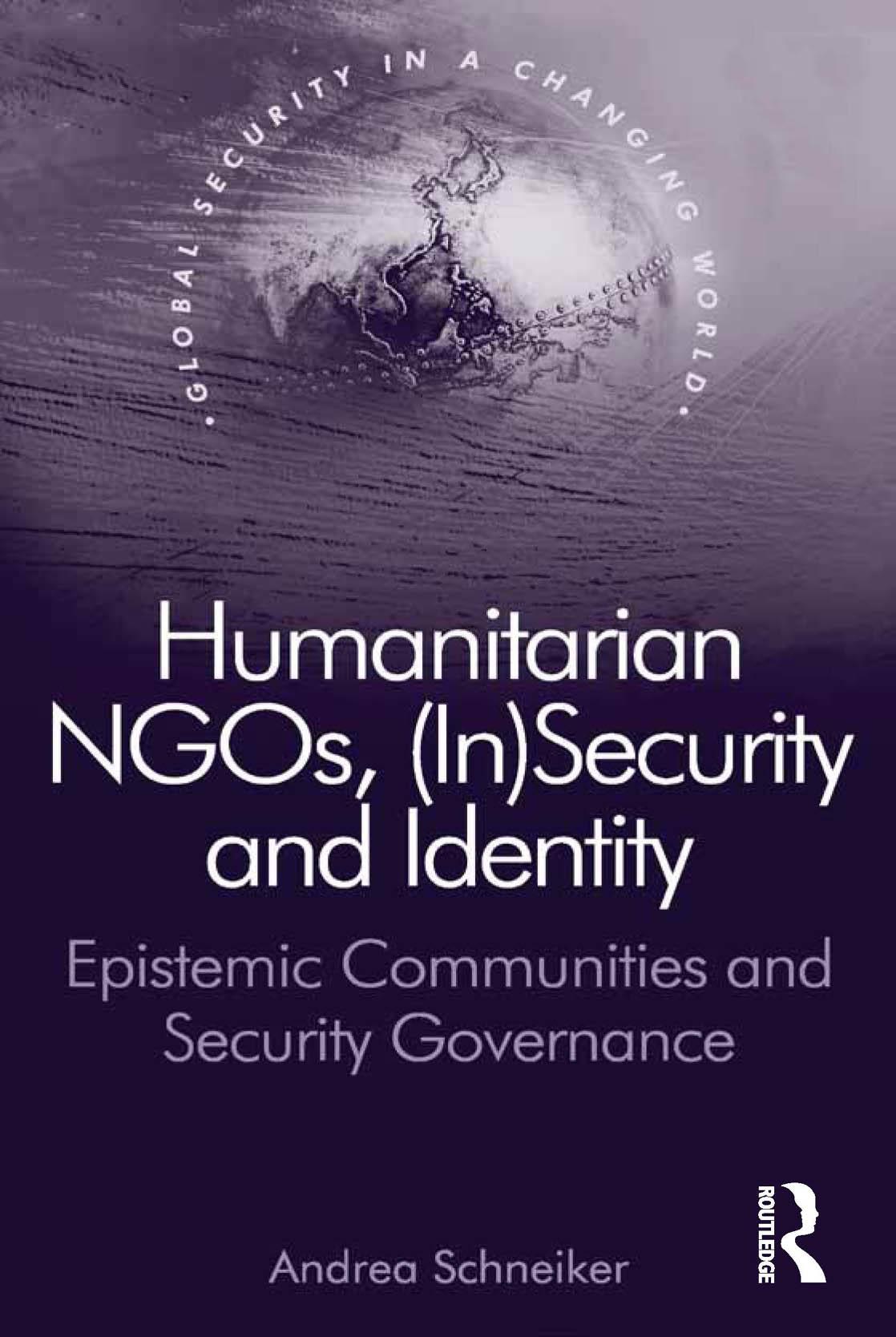
Increasingly humanitarian NGOs operate in the context of armed conflicts where the security risks are higher than in contexts of natural disaster. Working in Afghanistan, Somalia, Sudan, South Sudan, Pakistan and Sri Lanka is particularly dangerous for humanitarians. This existential threat affects the physical existence of aid workers and the implementation of humanitarian programs, and the core beliefs of humanitarians and the underlying principles of humanitarian action. For NGOs it is difficult to accept that they are attacked despite their good intentions, sometimes even by the very communities they seek to help. For these reasons, humanitarian NGOs have to change their approaches to security by not only adapting their policies, procedures and structures to the changing environment, but also reviewing the underlying principles of their work. This book contributes to debates by demonstrating how issues of (in)security affect humanitarian NGOs and the humanitarian identity, situating the structural changes within the humanitarian NGO community in the context of conflict aid governance and explains how non-state actors establish their own governance structures, independent from state-sponsored solutions, and contributes to the emerging literature on the redefinition of the concept of epistemic communities.
Betaal eenvoudig met kaart, Klarna, Apple Pay of Google Pay. Niet tevreden? Je hebt altijd 14 dagen bedenktijd. Lees meer in onze voorwaarden. Heb je vragen, mail ons dan via hello@memmo.org.
Memmo maakt studeren makkelijker – waar je ook bent ter wereld. Wij brengen je cursusboeken en slimme studietools samen op één plek: samenvattingen, quizzen, podcasts en flashcards. En Ted, je studievriend die antwoord geeft op alles wat je je afvraagt. Meer dan 50.000 studenten studeren hier al – gebouwd om je sneller te laten leren en minder stress te geven.
Misschien vind je dit ook leuk
Koop het boek0