
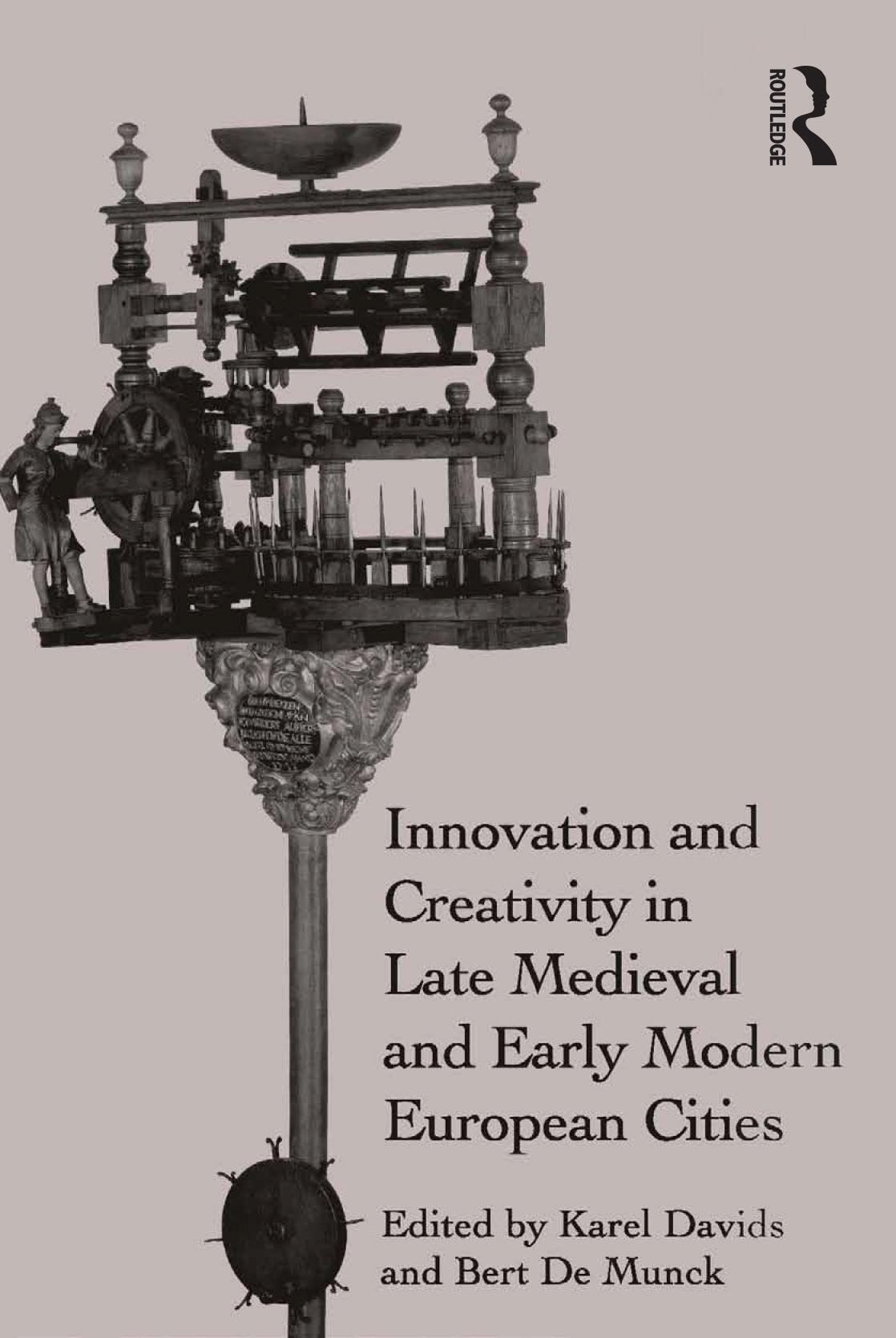
Late medieval and early modern cities are often depicted as cradles of artistic creativity and hotbeds of new material culture. Cities in renaissance Italy and in seventeenth and eighteenth-century northwestern Europe are the most obvious cases in point. But, how did this come about? Why did cities rather than rural environments produce new artistic genres, new products and new techniques? How did pre-industrial cities evolve into centres of innovation and creativity? As the most urbanized regions of continental Europe in this period, Italy and the Low Countries provide a rich source of case studies, as the contributors to this volume demonstrate. They set out to examine the relationship between institutional arrangements and regulatory mechanisms such as citizenship and guild rules and innovation and creativity in late medieval and early modern cities. They analyze whether, in what context and why regulation or deregulation influenced innovation and creativity, and what the impact was of long-term changes in the political and economic sphere.
Pagina's: 438
Categorie: Historia
e-ISBN: 9781317116523
Verzendgewicht: 1.2 kg
Verzending binnen: 1-2 dagen
Betaal eenvoudig met kaart, Klarna, Apple Pay of Google Pay. Niet tevreden? Je hebt altijd 14 dagen bedenktijd. Lees meer in onze voorwaarden. Heb je vragen, mail ons dan via hello@memmo.org.
Memmo maakt studeren makkelijker – waar je ook bent ter wereld. Wij brengen je cursusboeken en slimme studietools samen op één plek: samenvattingen, quizzen, podcasts en flashcards. En Ted, je studievriend die antwoord geeft op alles wat je je afvraagt. Meer dan 50.000 studenten studeren hier al – gebouwd om je sneller te laten leren en minder stress te geven.
Misschien vind je dit ook leuk
Koop het boek0