
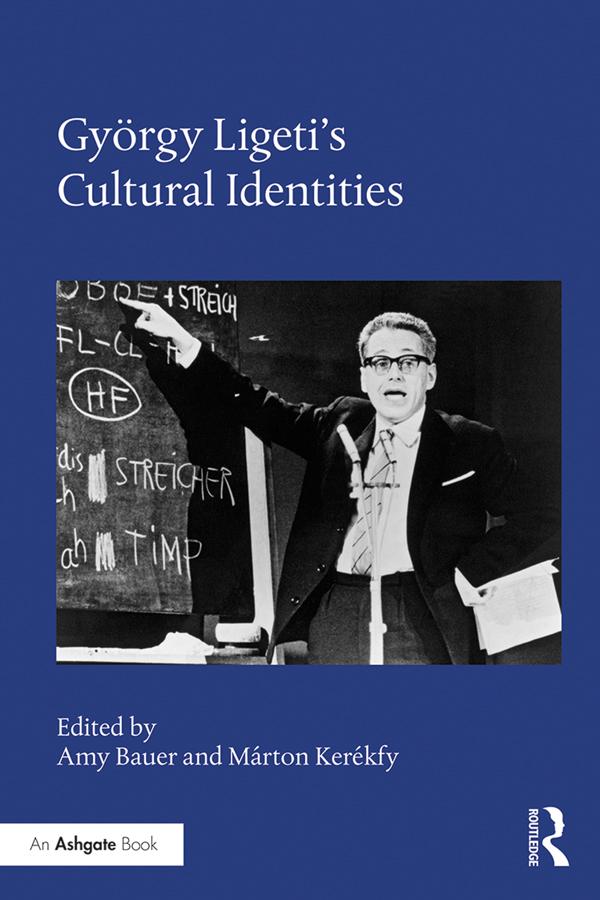
Since György Ligeti’s death in 2006, there has been a growing acknowledgement of how central he was to the late twentieth-century cultural landscape. This collection is the first book devoted to exploring the composer’s life and music within the context of his East European roots, revealing his dual identities as both Hungarian national and cosmopolitan modernist. Contributors explore the artistic and socio-cultural contexts of Ligeti’s early works, including composition and music theory, the influence of East European folk music, notions of home and identity, his ambivalent attitude to his Hungarian past and his references to his homeland in his later music. Many of the valuable insights offered profit from new research undertaken at the Paul Sacher Foundation, Basel, while also drawing on the knowledge of long-time associates such as the composer’s assistant, Louise Duchesneau. The contributions as a whole reveal Ligeti’s thoroughly cosmopolitan milieu and values, and illuminate why his music continues to inspire new generations of performers, composers and listeners.
Betaal eenvoudig met kaart, Klarna, Apple Pay of Google Pay. Niet tevreden? Je hebt altijd 14 dagen bedenktijd. Lees meer in onze voorwaarden. Heb je vragen, mail ons dan via hello@memmo.org.
Memmo maakt studeren makkelijker – waar je ook bent ter wereld. Wij brengen je cursusboeken en slimme studietools samen op één plek: samenvattingen, quizzen, podcasts en flashcards. En Ted, je studievriend die antwoord geeft op alles wat je je afvraagt. Meer dan 50.000 studenten studeren hier al – gebouwd om je sneller te laten leren en minder stress te geven.