
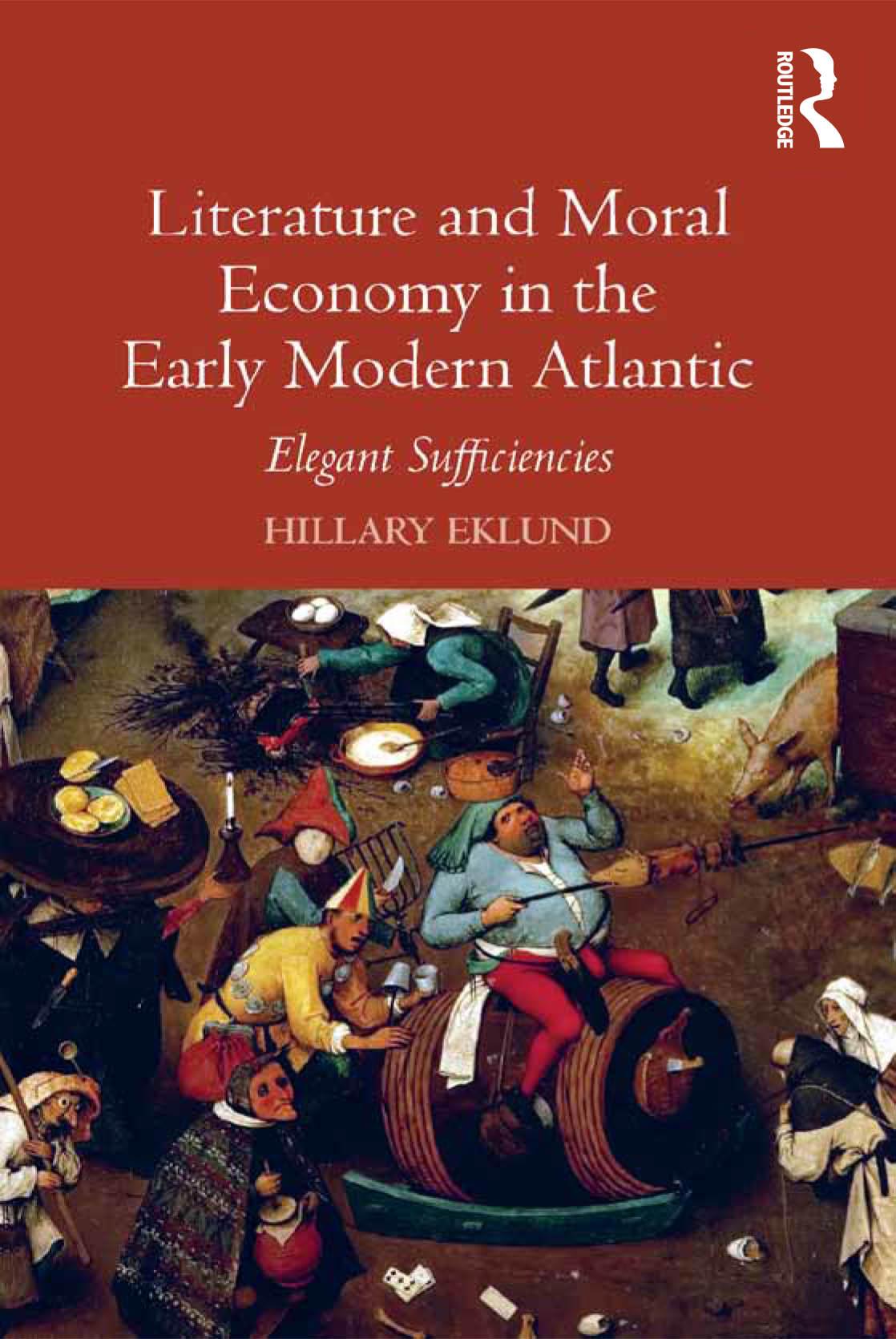
Grounded in the literary history of early modern England, this study explores the intersection of cultural attitudes and material practices that shape the acquisition, circulation, and consumption of resources at the turn of the seventeenth century. Considering a formally diverse and ideologically rich array of texts from the period - including drama, poetry, and prose, as well as travel narrative and early modern political and literary theory - this book shows how ideas about what is considered 'enough' adapt to changing material conditions and how cultural forces shape those adaptations. Literature and Moral Economy in the Early Modern Atlantic traces how early modern English authors improvised new models of sufficiency that pushed back the threshold of excess to the frontier of the known world itself. The book argues that standards of economic sufficiency as expressed through literature moved from subsistence toward the increasing pursuit of plenty through plunder, trade, and plantation. Author Hillary Eklund describes what it means to have enough in the moral economies of eating, travel, trade, land use and public policy.
Pagina's: 242
Categorie: Litteraturvetenskap & Teori
e-ISBN: 9781317104438
Verzendgewicht: 1.2 kg
Verzending binnen: 1-2 dagen
Betaal eenvoudig met kaart, Klarna, Apple Pay of Google Pay. Niet tevreden? Je hebt altijd 14 dagen bedenktijd. Lees meer in onze voorwaarden. Heb je vragen, mail ons dan via hello@memmo.org.
Memmo maakt studeren makkelijker – waar je ook bent ter wereld. Wij brengen je cursusboeken en slimme studietools samen op één plek: samenvattingen, quizzen, podcasts en flashcards. En Ted, je studievriend die antwoord geeft op alles wat je je afvraagt. Meer dan 50.000 studenten studeren hier al – gebouwd om je sneller te laten leren en minder stress te geven.
Misschien vind je dit ook leuk
Koop het boek0