
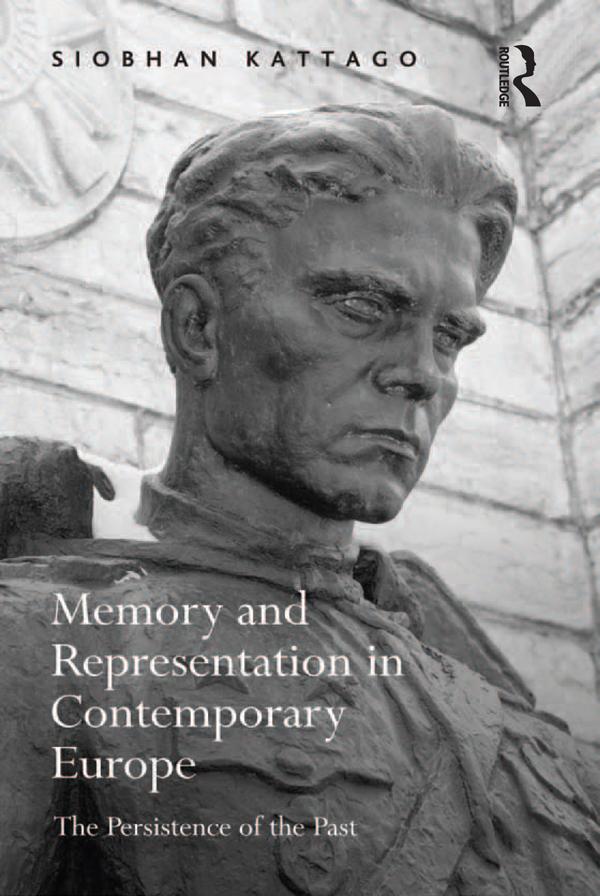
Why do certain places and not others symbolically capture the past and freeze time? Likewise, why does the process of memory, as a fluid and changing activity, seem to prevent its own solidification? Memory and Representation in Contemporary Europe reflects not only on the persistence of the past as a theme linked to modernity, media and time, but also discusses the politics of memory within a changing Europe. Drawing on the theoretical work of Hannah Arendt, Isaiah Berlin and Zygmunt Bauman, Siobhan Kattago uses examples from both Germany and Estonia in order to address the multiple layers of Europe's totalitarian past. Through reflecting on the legacy of totalitarianism and the revolutions of 1989, it becomes clear that the issue is less of whether one should remember, but rather how to internalize the various lessons of the past for the future of Europe. Memory and Representation in Contemporary Europe thus offers the reader occasions upon which to take stock of different but overlapping contours of past and present in contemporary Europe.
Betaal eenvoudig met kaart, Klarna, Apple Pay of Google Pay. Niet tevreden? Je hebt altijd 14 dagen bedenktijd. Lees meer in onze voorwaarden. Heb je vragen, mail ons dan via hello@memmo.org.
Memmo maakt studeren makkelijker – waar je ook bent ter wereld. Wij brengen je cursusboeken en slimme studietools samen op één plek: samenvattingen, quizzen, podcasts en flashcards. En Ted, je studievriend die antwoord geeft op alles wat je je afvraagt. Meer dan 50.000 studenten studeren hier al – gebouwd om je sneller te laten leren en minder stress te geven.
Misschien vind je dit ook leuk
Koop het boek0