
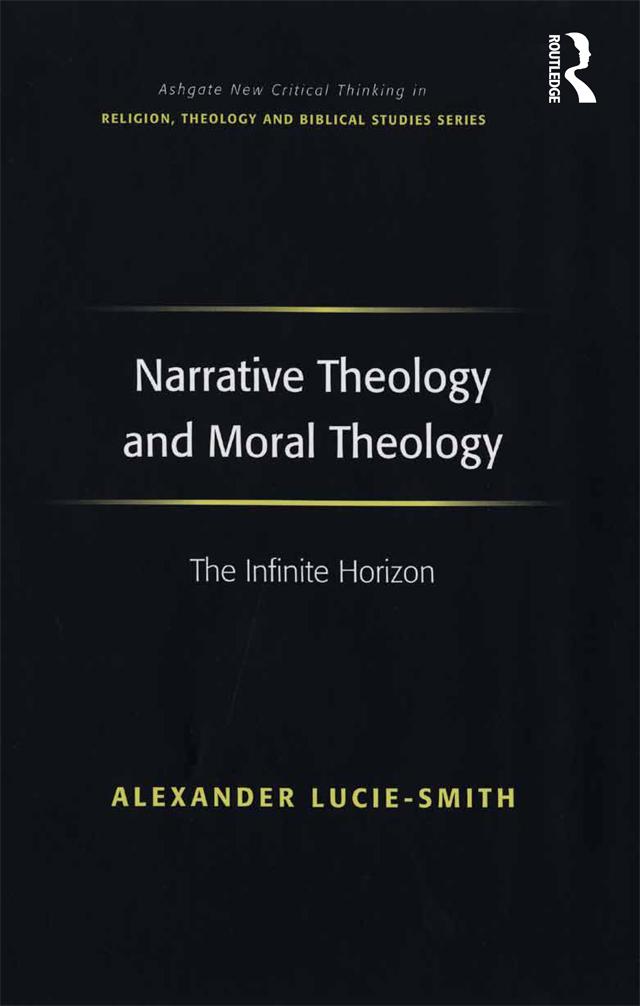
Moral thinking today finds itself stranded between the particular and the universal. Alasdair MacIntyre's work on narrative, discussed here along with that of Stanley Hauerwas and H. T. Engelhardt, aims to undo the perceived damage done by the Enlightenment by returning to narrative and abandoning the illusion of a disembodied reason that claims to be able to give a coherent explanation for everything. It is precisely this - a theory that holds good for all cases - that John Rawls proposed, drawing on the heritage of Emmanuel Kant. Who is right? Must universality be abandoned? Must we only think about morality in terms that are relative, bound by space and time? Alexander Lucie-Smith attempts to answer these questions by examining the nature of narrative itself as well as the particular narratives of Rawls and St Augustine. Bound and rooted as they are in history and personal experience, narratives nevertheless strain at the limits imposed on them. It is Lucie-Smith's contention that each narrative that points to a lived morality exists against the background of an infinite horizon, and thus it is that the particular and the rooted can also make us aware of the universal and unchanging.
Pagina's: 242
Categorie: Religion & Teologi
e-ISBN: 9781317090458
Verzendgewicht: 1.2 kg
Verzending binnen: 1-2 dagen
Betaal eenvoudig met kaart, Klarna, Apple Pay of Google Pay. Niet tevreden? Je hebt altijd 14 dagen bedenktijd. Lees meer in onze voorwaarden. Heb je vragen, mail ons dan via hello@memmo.org.
Memmo maakt studeren makkelijker – waar je ook bent ter wereld. Wij brengen je cursusboeken en slimme studietools samen op één plek: samenvattingen, quizzen, podcasts en flashcards. En Ted, je studievriend die antwoord geeft op alles wat je je afvraagt. Meer dan 50.000 studenten studeren hier al – gebouwd om je sneller te laten leren en minder stress te geven.
Misschien vind je dit ook leuk
Koop het boek0