
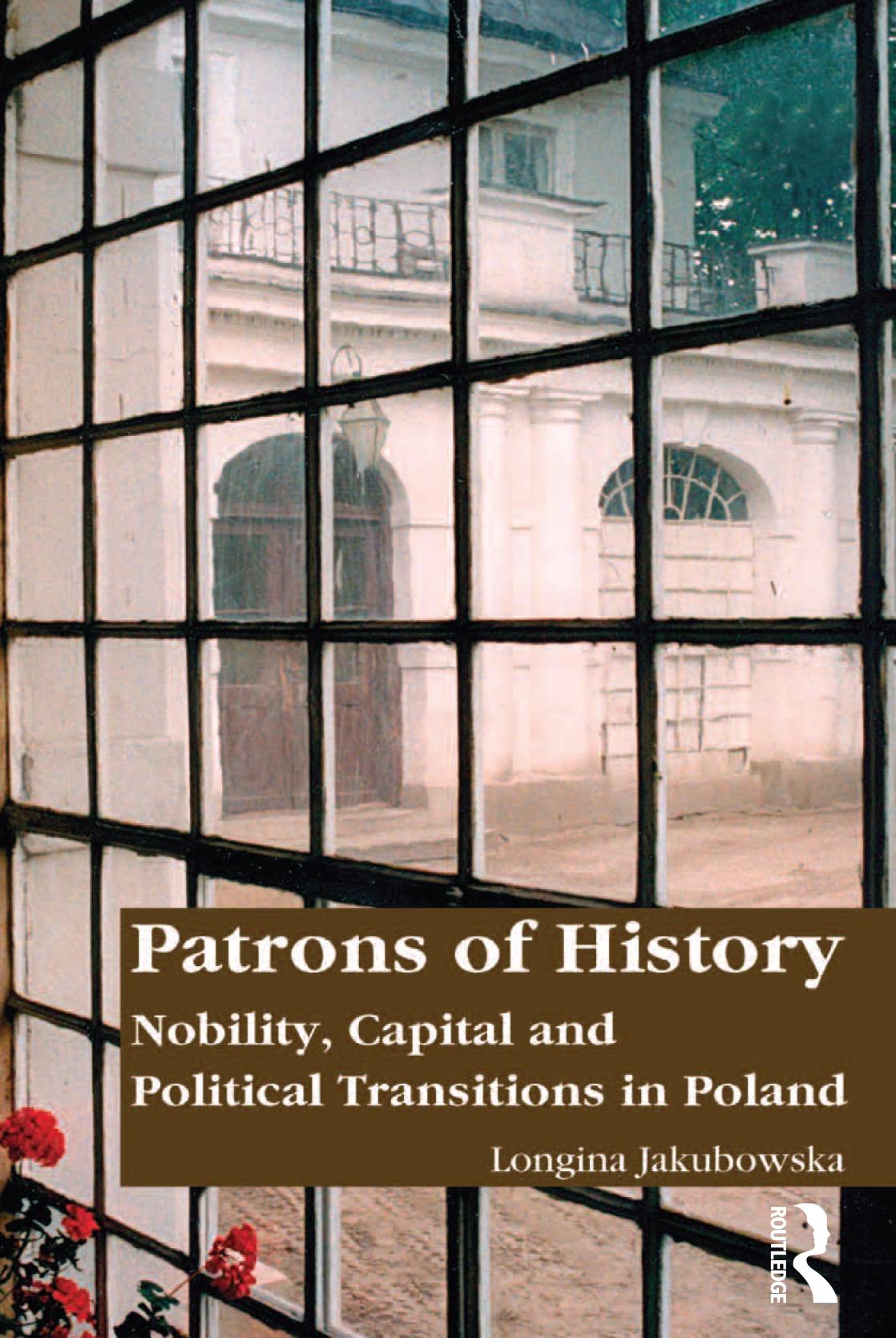
This book explores resilience, social capital and relationships of power in an examination of the manner in which capital can be converted from one form to another. Through a study of the survival of the Polish gentry, in spite of the communist regime's attempts to disempower and discredit them through land reform and high-profile trials, Patrons of History shows how the gentry managed not only to survive as a class, but also to remain influential. By revitalising older forms of cultural capital invested with education and transnational networks, the gentry were able to transform wealth, land, patronage, lifestyle and the ability to define patriotism and authorise a version of history, so as to ensure that noble heritage remained an advantageous resource in the face of communist opposition. Drawing on rich interview material spanning fifteen years, Patrons of History sheds light not only on communism as it existed and the stratification that persisted under such regimes, but also on the functioning of relationships of power and the ways in which privilege can be studied in the contemporary world. As such, this book will appeal to anthropologists, sociologists, ethnographers and historians interested in cultural and social capital, inequality and resistance.
Betaal eenvoudig met kaart, Klarna, Apple Pay of Google Pay. Niet tevreden? Je hebt altijd 14 dagen bedenktijd. Lees meer in onze voorwaarden. Heb je vragen, mail ons dan via hello@memmo.org.
Memmo maakt studeren makkelijker – waar je ook bent ter wereld. Wij brengen je cursusboeken en slimme studietools samen op één plek: samenvattingen, quizzen, podcasts en flashcards. En Ted, je studievriend die antwoord geeft op alles wat je je afvraagt. Meer dan 50.000 studenten studeren hier al – gebouwd om je sneller te laten leren en minder stress te geven.
Misschien vind je dit ook leuk
Koop het boek0