
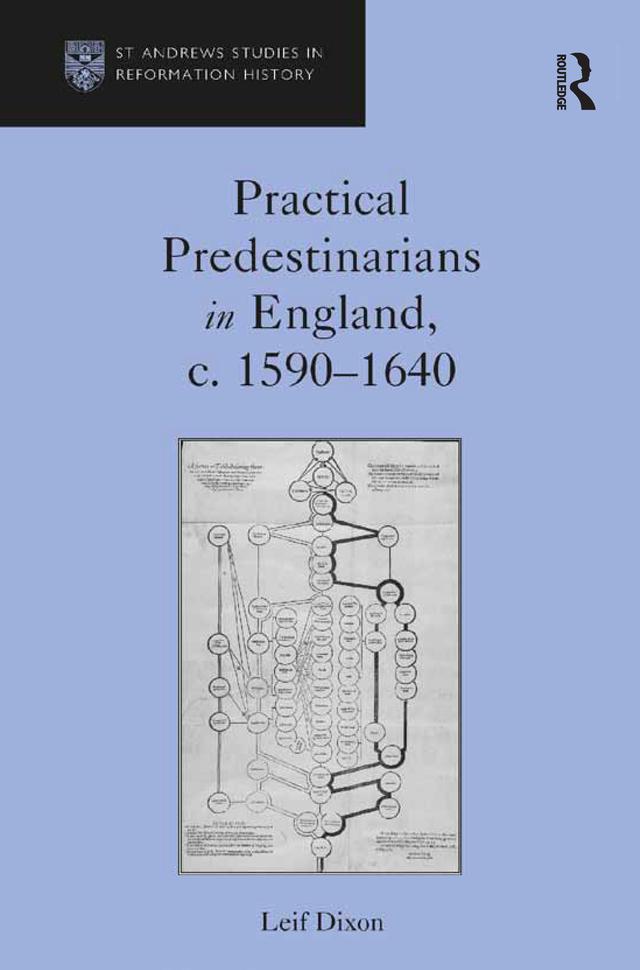
The belief that God eternally and unalterably decrees the election of one part of humankind and the reprobation of the rest has not aged well, but in the sixteenth and seventeenth centuries the doctrine of predestination was publicised and popularised to an extent unparalleled in the history of Christianity. Why was this? How successfully was the doctrine able to mix with other ideas, and to what effect? And did belief in predestination encourage confidence or despair? Practical Predestinarians is a study of the ways in which the doctrine of predestination was understood and communicated by churchmen in late Tudor and early Stuart England. It connects with debates about the 'popularity' of Protestantism during England's 'long reformation', as well as with the question of whether predestination tended toward inclusive or divisive, and conformist or subversive, applications. Intersecting with recent debates about the popular reception of Protestant preaching, this book focusses upon the pastoral message itself - it is therefore an investigation into the public face of English Calvinism.
Betaal eenvoudig met kaart, Klarna, Apple Pay of Google Pay. Niet tevreden? Je hebt altijd 14 dagen bedenktijd. Lees meer in onze voorwaarden. Heb je vragen, mail ons dan via hello@memmo.org.
Memmo maakt studeren makkelijker – waar je ook bent ter wereld. Wij brengen je cursusboeken en slimme studietools samen op één plek: samenvattingen, quizzen, podcasts en flashcards. En Ted, je studievriend die antwoord geeft op alles wat je je afvraagt. Meer dan 50.000 studenten studeren hier al – gebouwd om je sneller te laten leren en minder stress te geven.
Misschien vind je dit ook leuk
Koop het boek0