
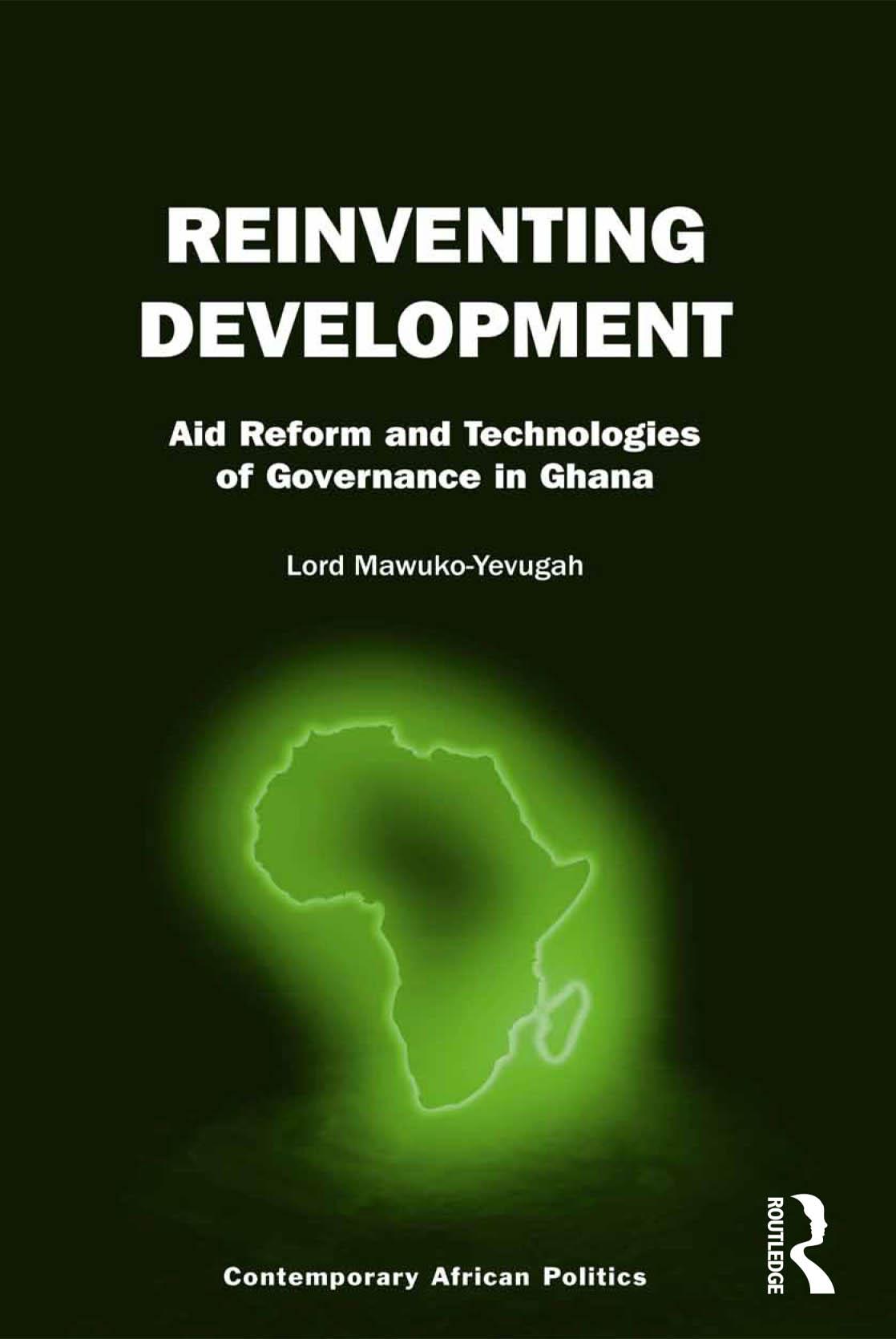
Global development actors such as the World Bank and the International Monetary Fund claim that the shift to the poverty reduction strategy framework and emphasis on local participation address the social cost of earlier adjustment programs and help put aid-receiving countries back in control of their own development agenda. Drawing on the case of Ghana, Lord Mawuko-Yevugah argues that this shift and the emphasis on partnerships between donors and poor countries, local participation, and country ownership simultaneously represents a substantive departure from earlier versions of neo-liberalism and an attempt by global development actors and local governing and social elites to justify, and legitimize the neo-liberal policy paradigm. This book shows how the new architecture of aid has important implications in three distinct but related ways: the discursive construction and production of post-colonial societies; the changing focus of Western aid and development policy interventions; and the reproduction of the politics of inclusive exclusion. The author provides detailed and original research on the new development paradigm and develops a critical theoretical approach to re-think conventional analyses of the new discourses on aid whilst offering a fresh, alternative interpretation of changes in international aid relations.
Betaal eenvoudig met kaart, Klarna, Apple Pay of Google Pay. Niet tevreden? Je hebt altijd 14 dagen bedenktijd. Lees meer in onze voorwaarden. Heb je vragen, mail ons dan via hello@memmo.org.
Memmo maakt studeren makkelijker – waar je ook bent ter wereld. Wij brengen je cursusboeken en slimme studietools samen op één plek: samenvattingen, quizzen, podcasts en flashcards. En Ted, je studievriend die antwoord geeft op alles wat je je afvraagt. Meer dan 50.000 studenten studeren hier al – gebouwd om je sneller te laten leren en minder stress te geven.
Misschien vind je dit ook leuk
Koop het boek0