
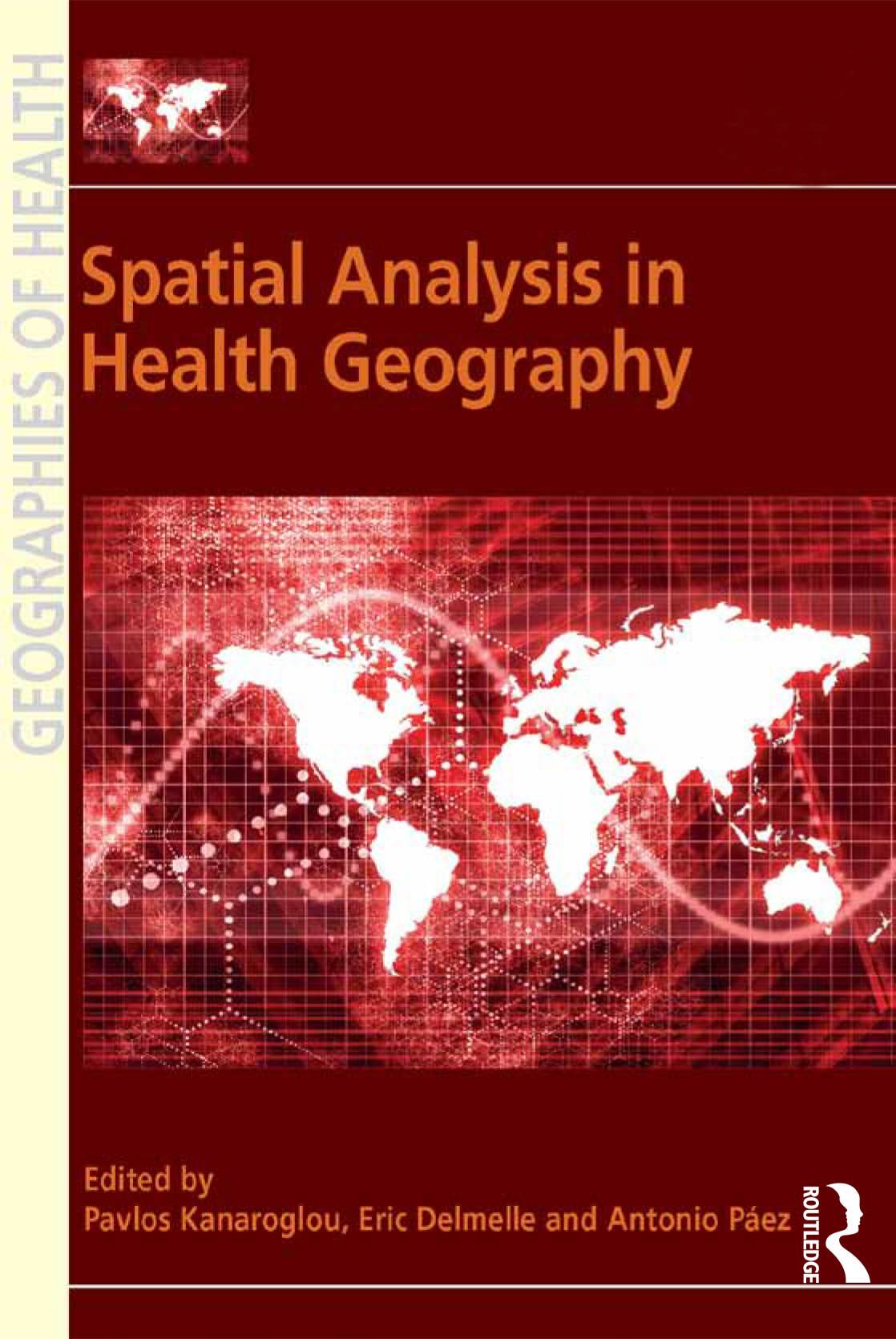
Presenting current research on spatial epidemiology, this book covers topics such as exposure, chronic disease, infectious disease, accessibility to health care settings and new methods in Geographical Information Science and Systems. For epidemiologists, and for the management and administration of health care settings, it is critical to understand the spatial dynamics of disease. For instance, it is crucial that hospital administrators develop an understanding of the flow of patients over time, especially during an outbreak of a particular disease, so they can plan for appropriate levels of staffing and to carry out adaptive prevention measures. Furthermore, understanding where and why a disease occurs at a certain geographic location is vital for decision makers to formulate policy to increase the accessibility to health services (either by prevention, or adding new facilities). Spatial epidemiology relies increasingly on new methodologies, such as clustering algorithms, visualization and space-time modelling, the domain of Geographic Information Science. Implementation of those techniques appears at an increasing pace in commercial Geographic Information Systems, alongside more traditional techniques that are already part of such systems. This book provides the latest methods in GI Science and their use in health related problems.
Betaal eenvoudig met kaart, Klarna, Apple Pay of Google Pay. Niet tevreden? Je hebt altijd 14 dagen bedenktijd. Lees meer in onze voorwaarden. Heb je vragen, mail ons dan via hello@memmo.org.
Memmo maakt studeren makkelijker – waar je ook bent ter wereld. Wij brengen je cursusboeken en slimme studietools samen op één plek: samenvattingen, quizzen, podcasts en flashcards. En Ted, je studievriend die antwoord geeft op alles wat je je afvraagt. Meer dan 50.000 studenten studeren hier al – gebouwd om je sneller te laten leren en minder stress te geven.
Misschien vind je dit ook leuk
Koop het boek0