
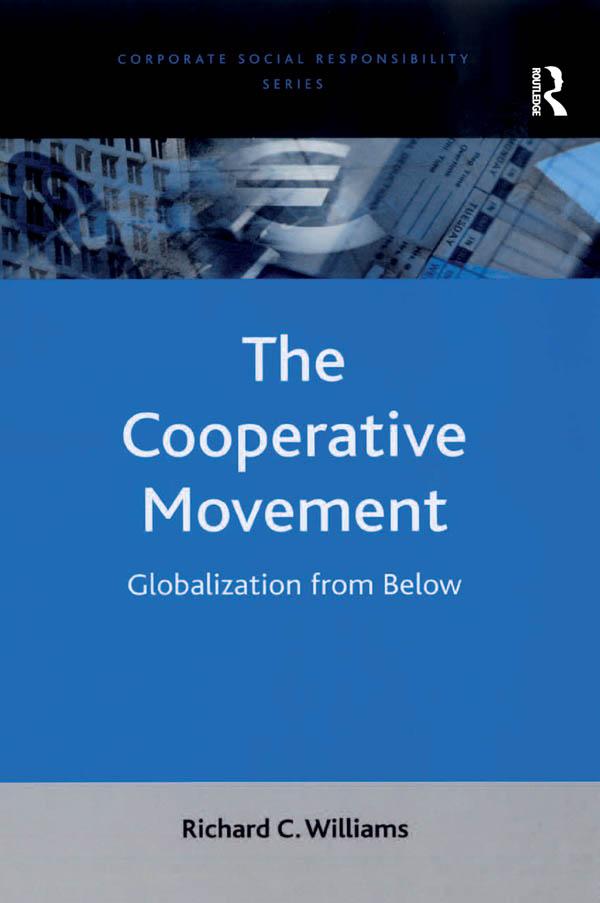
Richard Williams surveys the history of the cooperative movement from its origins in the 18th century and deals with the theory of cooperation, as contrasted with the 'Standard Economic Model', based on competition. The book contains the results of field studies of a number of successful cooperatives both in the developed and developing world. It includes insights from personal interviews of cooperative members and concludes by considering the successes and challenges of the cooperative movement as an alternative to the global neo-colonialism and imperialism that now characterizes free-market capitalist approaches to globalization. The book considers democratic and local control of essential economic activities such as the production, distribution, and retailing of goods and services. It suggests that cooperative approaches to these economic activities are already reducing poverty and resulting in equitable distributions of wealth and income without plundering the resources of developing countries.
Pagina's: 252
Categorie: Ekonomi & Utveckling
e-ISBN: 9781317037262
Verzendgewicht: 1.2 kg
Verzending binnen: 1-2 dagen
Betaal eenvoudig met kaart, Klarna, Apple Pay of Google Pay. Niet tevreden? Je hebt altijd 14 dagen bedenktijd. Lees meer in onze voorwaarden. Heb je vragen, mail ons dan via hello@memmo.org.
Memmo maakt studeren makkelijker – waar je ook bent ter wereld. Wij brengen je cursusboeken en slimme studietools samen op één plek: samenvattingen, quizzen, podcasts en flashcards. En Ted, je studievriend die antwoord geeft op alles wat je je afvraagt. Meer dan 50.000 studenten studeren hier al – gebouwd om je sneller te laten leren en minder stress te geven.
Misschien vind je dit ook leuk
Koop het boek0