
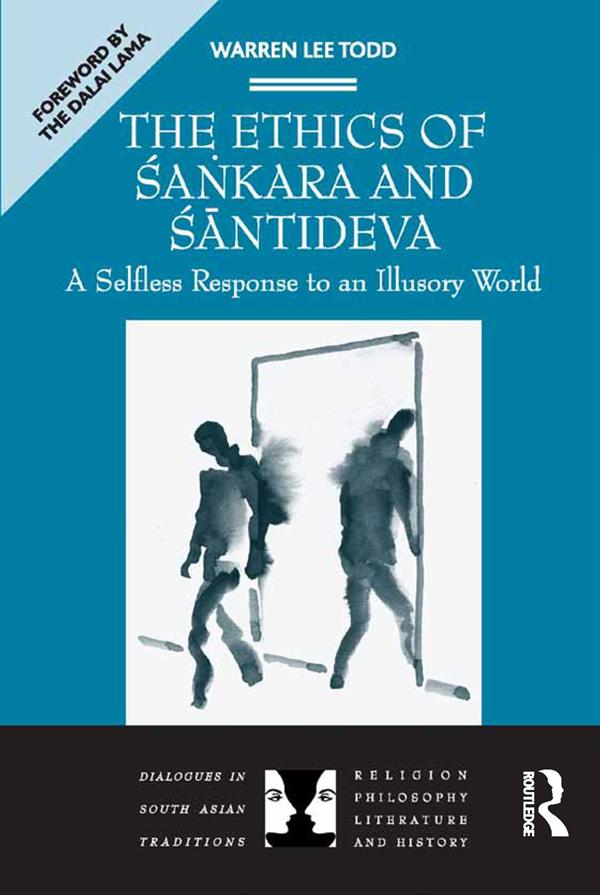
Exploring the philosophical concerns of the nature of self, this book draws from two of the most influential Indian masters, Śaṅkara and Śāntideva. Todd demonstrates that an ethics of altruism is still possible within a metaphysics which assumes there to be no independent self. A new ethical model based on the notions of ’flickering consciousness’ and ’constructive altruism’ is proposed. By comparing the metaphysics and ethics of Śaṅkara and Śāntideva, Todd shows that the methodologies and aims of these Buddhist and Hindu masters trace remarkably similar cross-cutting paths. Treating Buddhism and Hinduism with equal respect, this book compares and reinterprets the Indian material so as to engage with contemporary Western debates on self and to show that Indian philosophy is indeed a philosophy of dialogue.
Betaal eenvoudig met kaart, Klarna, Apple Pay of Google Pay. Niet tevreden? Je hebt altijd 14 dagen bedenktijd. Lees meer in onze voorwaarden. Heb je vragen, mail ons dan via hello@memmo.org.
Memmo maakt studeren makkelijker – waar je ook bent ter wereld. Wij brengen je cursusboeken en slimme studietools samen op één plek: samenvattingen, quizzen, podcasts en flashcards. En Ted, je studievriend die antwoord geeft op alles wat je je afvraagt. Meer dan 50.000 studenten studeren hier al – gebouwd om je sneller te laten leren en minder stress te geven.