
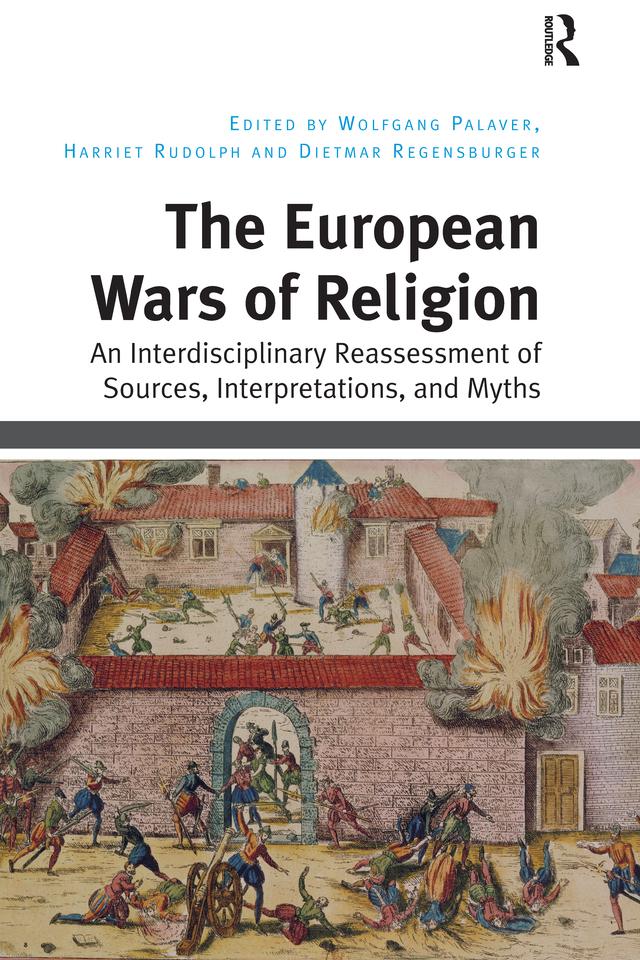
In recent years religion has resurfaced amongst academics, in many ways replacing class as the key to understanding Europe's historical development. This has resulted in an explosion of studies revisiting issues of religious change, confessional violence and holy war during the early modern period. But the interpretation of the European wars of religion still remains largely defined by national boundaries, tied to specific processes of state building as well as nation building. In order to more thoroughly interrogate these concepts and assumptions, this volume focusses on terms repeatedly used and misused in public debates such as "religious violence" and "holy warfare" within the context of military conflicts commonly labelled "religious wars". The chapters not only focus on the role of religion, but also on the emerging state as a driver of the escalation of violence in the so-called age of religious war. By using different methodological and theoretical approaches historians, philosophers, and theologians engage in an interdisciplinary debate that contributes to a better understanding of the religio-political situation of early modern Europe and the interpretation of violent conflicts interpreted as religious conflicts today. By adopting a multi-disciplinary approach, new and innovative perspectives are opened up that question if in fact religion was a primary driving force behind these conflicts.
Betaal eenvoudig met kaart, Klarna, Apple Pay of Google Pay. Niet tevreden? Je hebt altijd 14 dagen bedenktijd. Lees meer in onze voorwaarden. Heb je vragen, mail ons dan via hello@memmo.org.
Memmo maakt studeren makkelijker – waar je ook bent ter wereld. Wij brengen je cursusboeken en slimme studietools samen op één plek: samenvattingen, quizzen, podcasts en flashcards. En Ted, je studievriend die antwoord geeft op alles wat je je afvraagt. Meer dan 50.000 studenten studeren hier al – gebouwd om je sneller te laten leren en minder stress te geven.
Misschien vind je dit ook leuk
Koop het boek0