
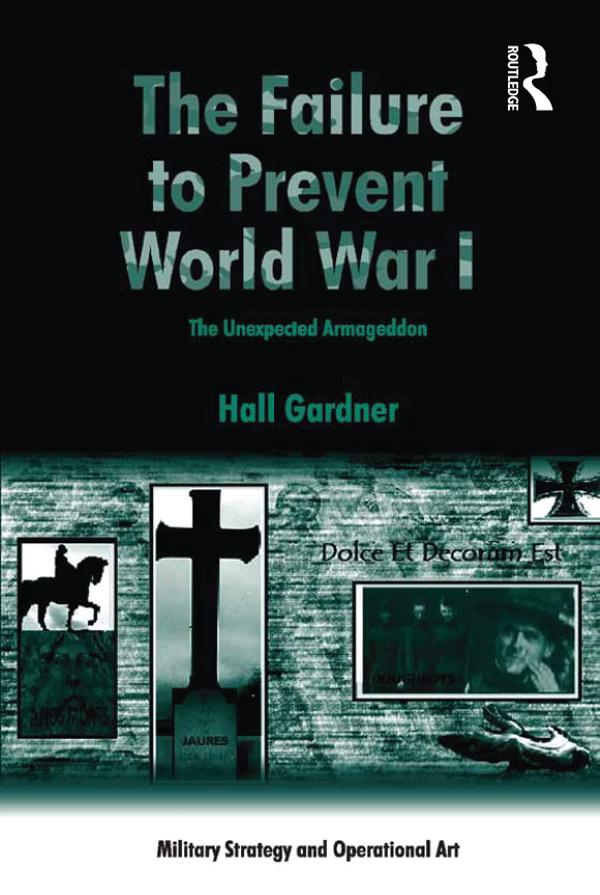
World War I represents one of the most studied, yet least understood, systemic conflicts in modern history. At the time, it was a major power war that was largely unexpected. This book refines and expands points made in the author’s earlier work on the failure to prevent World War I. It provides an alternative viewpoint to the thesis of Christopher Clark, Fritz Fischer, Paul Kennedy, among others, as to the war's long-term origins. By starting its analysis with the causes and consequences of the 1870-71 Franco-Prussian War and the German annexation of Alsace-Lorraine, the study systematically explores the key geostrategic, political-economic and socio-cultural-ideological disputes between France, Germany, Austria-Hungary, Italy, Russia, Japan, the United States and Great Britain, the nature of their foreign policy goals, alliance formations, arms rivalries, as well as the dynamics of the diplomatic process, so as to better explain the deeper roots of the 'Great War'. The book concludes with a discussion of the war's relevance and the diplomatic failure to forge a possible Anglo-German-French alliance, while pointing out how it took a second world war to realize Victor Hugo’s nineteenth-century vision of a United States of Europe-a vision now being challenged by financial crisis and Russia's annexation of Crimea.
Pagina's: 294
Categorie: Historia
e-ISBN: 9781317032168
Verzendgewicht: 1.2 kg
Verzending binnen: 1-2 dagen
Betaal eenvoudig met kaart, Klarna, Apple Pay of Google Pay. Niet tevreden? Je hebt altijd 14 dagen bedenktijd. Lees meer in onze voorwaarden. Heb je vragen, mail ons dan via hello@memmo.org.
Memmo maakt studeren makkelijker – waar je ook bent ter wereld. Wij brengen je cursusboeken en slimme studietools samen op één plek: samenvattingen, quizzen, podcasts en flashcards. En Ted, je studievriend die antwoord geeft op alles wat je je afvraagt. Meer dan 50.000 studenten studeren hier al – gebouwd om je sneller te laten leren en minder stress te geven.
Misschien vind je dit ook leuk
Koop het boek0