
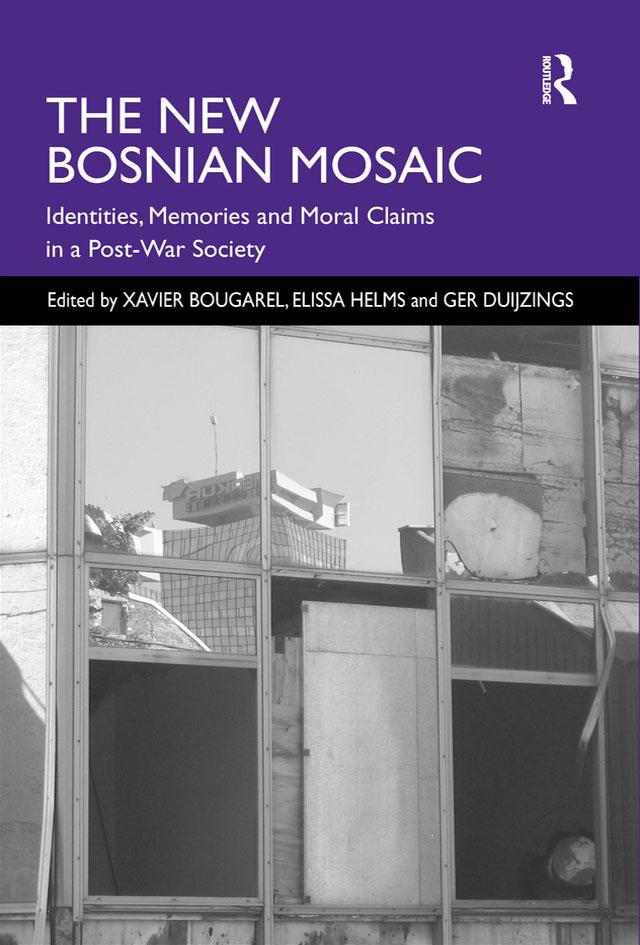
Since the violent events of the Bosnian war and the revelations of ethnic cleansing that shocked the world in the early 1990s, Bosnia has become a metaphor for the new ethnic nationalisms, for the transformation of warfare in the post-Cold War era, and for new forms of peacekeeping and state-building. This book is unique in offering a re-examination of the Bosnian case with a 'bottom-up' perspective. It gathers together cultural anthropologists and other social scientists to consider the specificities of the Bosnian case. However, the book also raises broader questions: what are the consequences of internecine violence and how should societies attempt to overcome them? Are the uncertainties and the transformations of Bosnian post-war society due entirely to the war, or are they related to wider processes encompassing post-communist Europe as a whole? And are the difficulties experienced by international state-building operations mainly due to distinctive features of the local societies or are they due to the policies promoted by the international community itself?
Betaal eenvoudig met kaart, Klarna, Apple Pay of Google Pay. Niet tevreden? Je hebt altijd 14 dagen bedenktijd. Lees meer in onze voorwaarden. Heb je vragen, mail ons dan via hello@memmo.org.
Memmo maakt studeren makkelijker – waar je ook bent ter wereld. Wij brengen je cursusboeken en slimme studietools samen op één plek: samenvattingen, quizzen, podcasts en flashcards. En Ted, je studievriend die antwoord geeft op alles wat je je afvraagt. Meer dan 50.000 studenten studeren hier al – gebouwd om je sneller te laten leren en minder stress te geven.
Misschien vind je dit ook leuk
Koop het boek0