
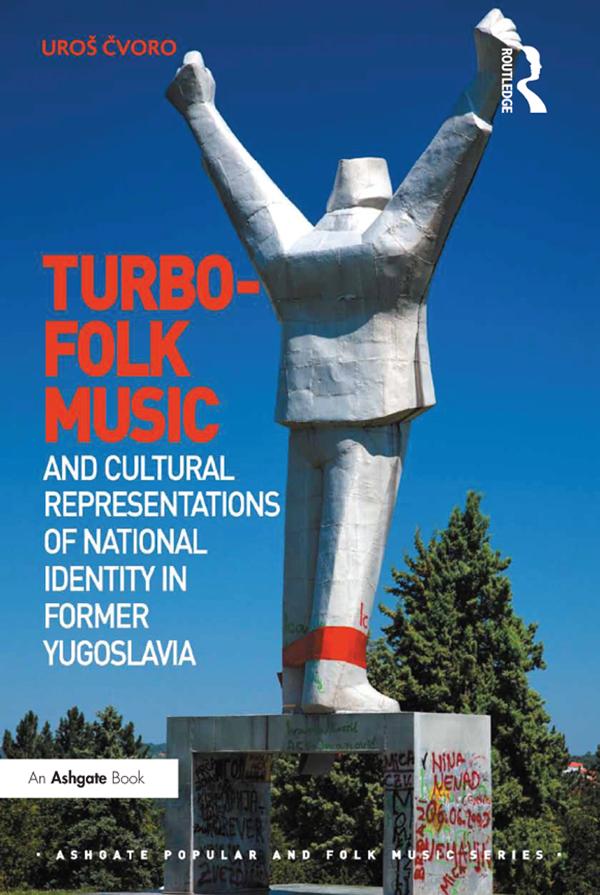
Turbo-folk music is the most controversial form of popular culture in the new states of former Yugoslavia. Theoretically ambitious and innovative, this book is a new account of popular music that has been at the centre of national, political and cultural debates for over two decades. Beginning with 1970s Socialist Yugoslavia, Uroš Čvoro explores the cultural and political paradoxes of turbo-folk: described as ’backward’ music, whose misogynist and Serb nationalist iconography represents a threat to cosmopolitanism, turbo-folk’s iconography is also perceived as a ’genuinely Balkan’ form of resistance to the threat of neo-liberalism. Taking as its starting point turbo-folk’s popularity across national borders, Čvoro analyses key songs and performers in Serbia, Slovenia and Croatia. The book also examines the effects of turbo on the broader cultural sphere - including art, film, sculpture and architecture - twenty years after its inception and popularization. What is proposed is a new way of reading the relationship of contemporary popular music to processes of cultural, political and social change - and a new understanding of how fundamental turbo-folk is to the recent history of former Yugoslavia and its successor states.
Betaal eenvoudig met kaart, Klarna, Apple Pay of Google Pay. Niet tevreden? Je hebt altijd 14 dagen bedenktijd. Lees meer in onze voorwaarden. Heb je vragen, mail ons dan via hello@memmo.org.
Memmo maakt studeren makkelijker – waar je ook bent ter wereld. Wij brengen je cursusboeken en slimme studietools samen op één plek: samenvattingen, quizzen, podcasts en flashcards. En Ted, je studievriend die antwoord geeft op alles wat je je afvraagt. Meer dan 50.000 studenten studeren hier al – gebouwd om je sneller te laten leren en minder stress te geven.
Misschien vind je dit ook leuk
Koop het boek0