
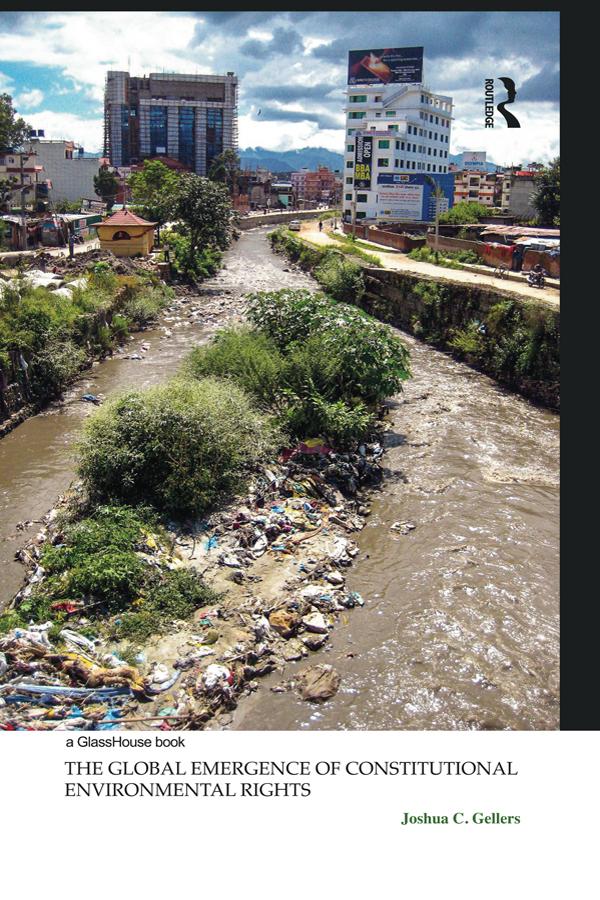
Over the past 40 years, countries throughout the world have similarly adopted human rights related to environmental governance and protection in national constitutions. Interestingly, these countries vary widely in terms of geography, politics, history, resources, and wealth. This raises the question: why do some countries have constitutional environmental rights while others do not? Bringing together theory from law, political science, and sociology, a global statistical analysis, and a comparative study of constitutional design in South Asia, Gellers presents a comprehensive response to this important question. Moving beyond normative debates and anecdotal developments in case law, as well as efforts to describe and categorize such rights around the world, this book provides a systematic analysis of the expansion of environmental rights using social science methods and theory. The resulting theoretical framework and empirical evidence offer new insights into how domestic and international factors interact during the constitution drafting process to produce new law that is both locally relevant and globally resonant. Scholars, practitioners, and students of law, political science, and sociology interested in understanding how institutions cope with complex problems like environmental degradation and human rights violations will find this book to be essential reading.
Betaal eenvoudig met kaart, Klarna, Apple Pay of Google Pay. Niet tevreden? Je hebt altijd 14 dagen bedenktijd. Lees meer in onze voorwaarden. Heb je vragen, mail ons dan via hello@memmo.org.
Memmo maakt studeren makkelijker – waar je ook bent ter wereld. Wij brengen je cursusboeken en slimme studietools samen op één plek: samenvattingen, quizzen, podcasts en flashcards. En Ted, je studievriend die antwoord geeft op alles wat je je afvraagt. Meer dan 50.000 studenten studeren hier al – gebouwd om je sneller te laten leren en minder stress te geven.