
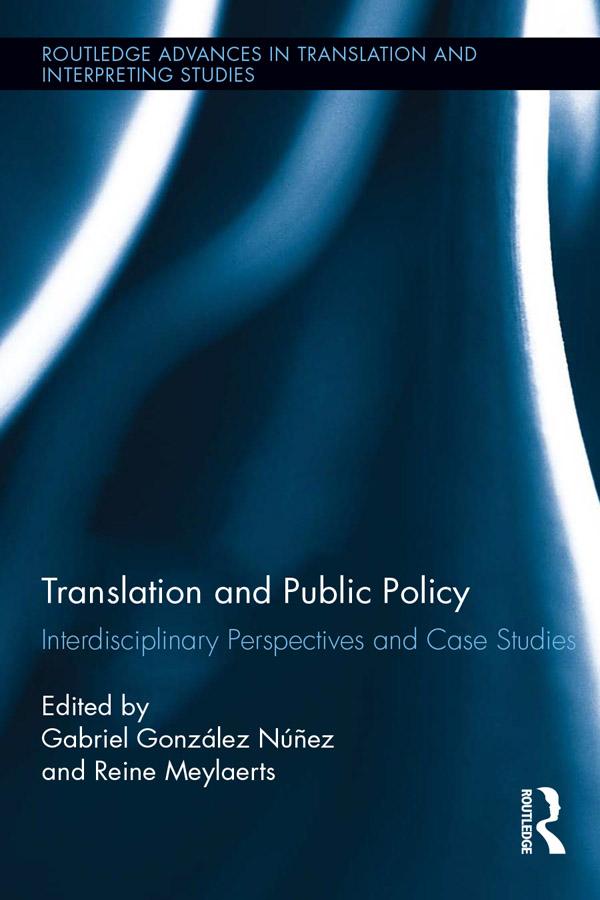
This book brings together an ensemble of leading voices from the fields of economics, language policy, law, political philosophy, and translation studies. They come together to provide theoretical perspectives and practical case studies regarding a shared concern: translation policy. Their timely perspectives and case studies allow for the problematizing and exploration of translation policy, an area that is beginning to come to the attention of scholars. This book offers the first truly interdisciplinary approach to an area of study that is still in its infancy. It thus makes a timely and necessary contribution.
As the 21st century marches on, authorities are more and more confronted with the reality of multilingual societies, and the monolingual state polices of yesteryear seem unable to satisfy increasing demands for more just societies. Precisely because of that, language policies of necessity must include choices about the use or non-use of translation at different levels. Thus, translation policy plays a prominent yet often unseen role in multilingual societies. This role is shaped by tensions and compromises that bear on the distribution of resources, choices about language, legal imperatives, and notions of justice. This book aims to inform scholars and policy makers alike regarding these issues.
Betaal eenvoudig met kaart, Klarna, Apple Pay of Google Pay. Niet tevreden? Je hebt altijd 14 dagen bedenktijd. Lees meer in onze voorwaarden. Heb je vragen, mail ons dan via hello@memmo.org.
Memmo maakt studeren makkelijker – waar je ook bent ter wereld. Wij brengen je cursusboeken en slimme studietools samen op één plek: samenvattingen, quizzen, podcasts en flashcards. En Ted, je studievriend die antwoord geeft op alles wat je je afvraagt. Meer dan 50.000 studenten studeren hier al – gebouwd om je sneller te laten leren en minder stress te geven.