
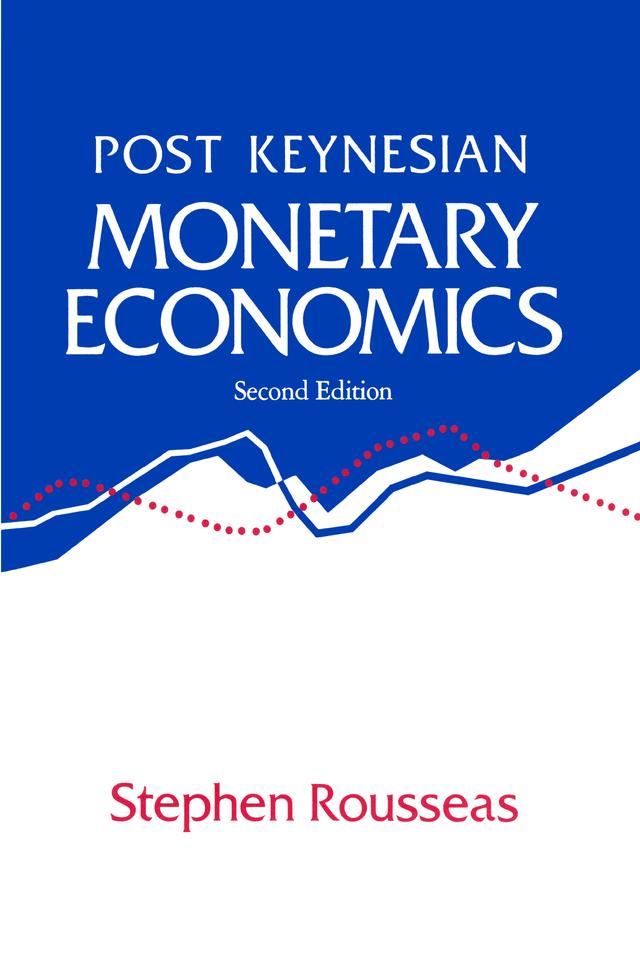
During the past five years, crises in the US savings and loan industry, commercial banks, and other financial institutions have borne out the ideas that Rousseas expressed in the first edition. His main theme stresses the role of innovation in the financial sector of the economy and its implications for control of the money supply and credit, as well as the larger issue of macroeconomic policy. He holds a Post-Keynesian view of an elastic and endogenous money supply that is largely founded on the "general liquidity thesis" of the Radcliffe Committee. Indeed, the elasticity of the credit structure is even greater than the Radcliffe Committee originally claimed. Tables and charts are revised through 1990, and the text has been revised accordingly. An expanded preface to the revised edition makes this book very relevant to contemporary problems and policy.
Betaal eenvoudig met kaart, Klarna, Apple Pay of Google Pay. Niet tevreden? Je hebt altijd 14 dagen bedenktijd. Lees meer in onze voorwaarden. Heb je vragen, mail ons dan via hello@memmo.org.
Memmo maakt studeren makkelijker – waar je ook bent ter wereld. Wij brengen je cursusboeken en slimme studietools samen op één plek: samenvattingen, quizzen, podcasts en flashcards. En Ted, je studievriend die antwoord geeft op alles wat je je afvraagt. Meer dan 50.000 studenten studeren hier al – gebouwd om je sneller te laten leren en minder stress te geven.
Misschien vind je dit ook leuk
Koop het boek0