
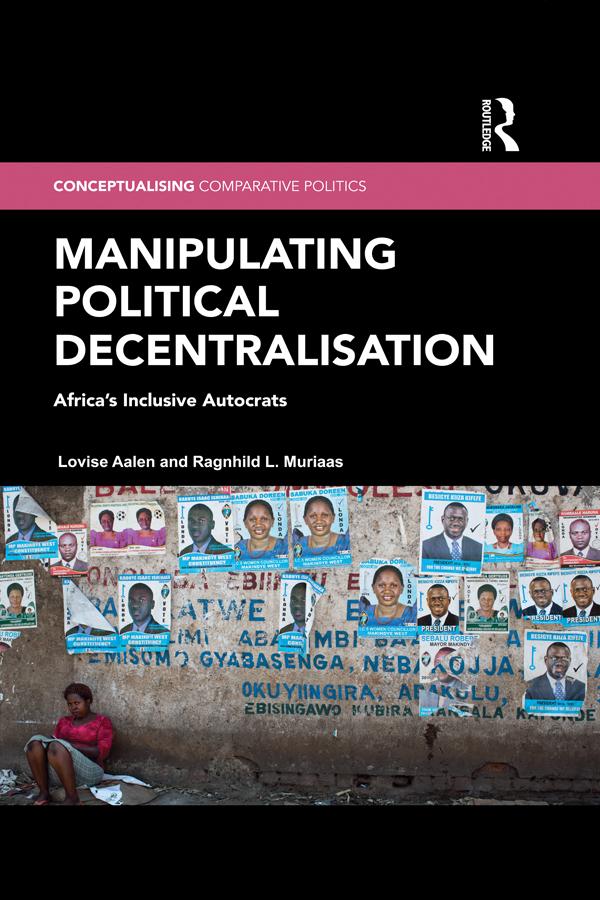
Can autocrats establish representative subnational governments? And which strategies of manipulation are available if they would like to reduce the uncertainty caused by introducing political decentralisation? In the wake of local government reforms, several states across the world have introduced legislation that provides for subnational elections. This does not mean that representative subnational governments in these countries are all of a certain standard. Political decentralisation should not be confused with democratisation, as the process is likely to be manipulated in ways that do not produce meaningful avenues for political participation and contestation locally.
Using examples from Africa, Lovise Aalen and Ragnhild L. Muriaas propose five requirements for representative subnational governments and four strategies that national governments might use to manipulate the outcome of political decentralisation. The case studies of Ethiopia, Malawi, South Africa, and Uganda illustrate why autocrats sometimes are more open to competition at the subnational level than democrats.
Manipulating Political Decentralisation provides a new conceptual tool to assess representative subnational governments' quality, aiding us in building theories on the consequences of political decentralisation on democratisation.
Betaal eenvoudig met kaart, Klarna, Apple Pay of Google Pay. Niet tevreden? Je hebt altijd 14 dagen bedenktijd. Lees meer in onze voorwaarden. Heb je vragen, mail ons dan via hello@memmo.org.
Memmo maakt studeren makkelijker – waar je ook bent ter wereld. Wij brengen je cursusboeken en slimme studietools samen op één plek: samenvattingen, quizzen, podcasts en flashcards. En Ted, je studievriend die antwoord geeft op alles wat je je afvraagt. Meer dan 50.000 studenten studeren hier al – gebouwd om je sneller te laten leren en minder stress te geven.