
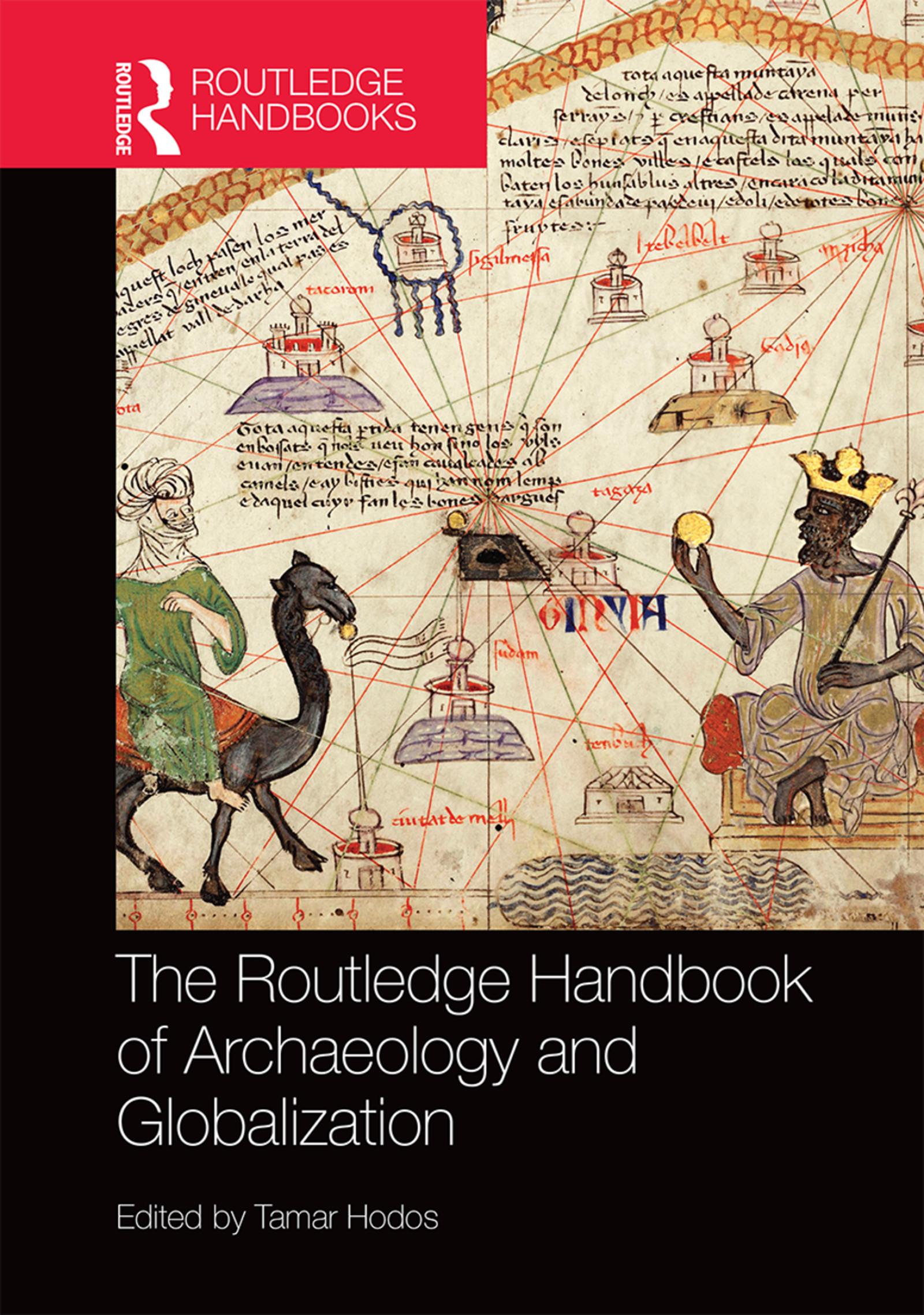
This unique collection applies globalization concepts to the discipline of archaeology, using a wide range of global case studies from a group of international specialists. The volume spans from as early as 10,000 cal. BP to the modern era, analysing the relationship between material culture, complex connectivities between communities and groups, and cultural change. Each contributor considers globalization ideas explicitly to explore the socio-cultural connectivities of the past. In considering social practices shared between different historic groups, and also the expression of their respective identities, the papers in this volume illustrate the potential of globalization thinking to bridge the local and global in material culture analysis.
The Routledge Handbook of Archaeology and Globalization is the first such volume to take a world archaeology approach, on a multi-period basis, in order to bring together the scope of evidence for the significance of material culture in the processes of globalization. This work thus also provides a means to understand how material culture can be used to assess the impact of global engagement in our contemporary world. As such, it will appeal to archaeologists and historians as well as social science researchers interested in the origins of globalization.
Betaal eenvoudig met kaart, Klarna, Apple Pay of Google Pay. Niet tevreden? Je hebt altijd 14 dagen bedenktijd. Lees meer in onze voorwaarden. Heb je vragen, mail ons dan via hello@memmo.org.
Memmo maakt studeren makkelijker – waar je ook bent ter wereld. Wij brengen je cursusboeken en slimme studietools samen op één plek: samenvattingen, quizzen, podcasts en flashcards. En Ted, je studievriend die antwoord geeft op alles wat je je afvraagt. Meer dan 50.000 studenten studeren hier al – gebouwd om je sneller te laten leren en minder stress te geven.