
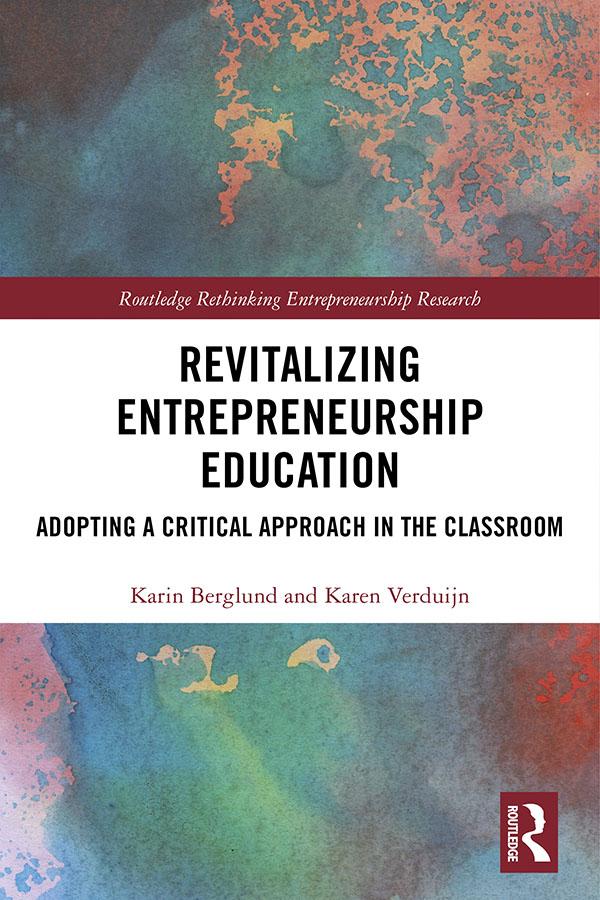
Within mainstream scholarship, it’s assumed without question that entrepreneurship and entrepreneurship education are desirable and positive economic activities. Drawing on a wide range of theoretical approaches and political-philosophical perspectives, critical entrepreneurship studies has emerged to ask the questions which this assumption obscures.
Students of entrepreneurship need to understand why and how entrepreneurship is seen as a moral force which can solve social problems or protect the environment, or even to tackle political problems. It is time to evaluate how such contributions and insights have entered our classrooms. How much – if any – critical discussion and insight enters our classrooms? How do we change when students demand to be taught "how to do it", not to be critical or reflexive?
If educators are to bring alternative perspectives into the classroom, it will entail a new way of thinking. There is a need to share ideas and practical approaches, and that is what the contributions to this volume aim to do and to illuminate new ways forward in entrepreneurship education.
Betaal eenvoudig met kaart, Klarna, Apple Pay of Google Pay. Niet tevreden? Je hebt altijd 14 dagen bedenktijd. Lees meer in onze voorwaarden. Heb je vragen, mail ons dan via hello@memmo.org.
Memmo maakt studeren makkelijker – waar je ook bent ter wereld. Wij brengen je cursusboeken en slimme studietools samen op één plek: samenvattingen, quizzen, podcasts en flashcards. En Ted, je studievriend die antwoord geeft op alles wat je je afvraagt. Meer dan 50.000 studenten studeren hier al – gebouwd om je sneller te laten leren en minder stress te geven.