
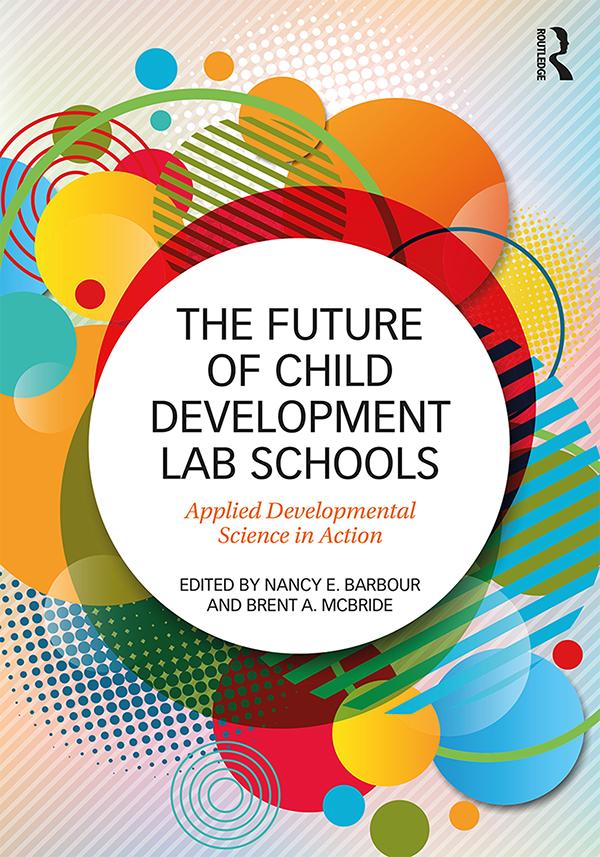
Child development laboratory schools are found on college and university campuses throughout the U.S. Over the last century, they have acquired a long, rich history. Originally seen as settings for the new field of child study in the early 1900s, their functions have evolved over time. These programs often play a central role in supporting teaching, research, and outreach/engagement activities in the fields of child development and early childhood education. Yet, many have had to fight for their existence when economic times have gotten difficult. Many long-running programs have had to close.
This book provides a unique perspective on the purpose and function of child development laboratory schools and the potential of large-scale research to examine important world problems. The individual stories presented are real stories that offer reasonable solutions and ideas for maximizing the value of these venerable institutions. Most importantly, the authors demonstrate how child development laboratory schools can address the criticisms often lodged regarding their lack of relevancy and focus on real-life problems and solutions. The range of perspectives includes university faculty trying to maximize research that is applied in nature as well as redefining what and where a laboratory is, both in the university and in the community. The message is clear that child development laboratory schools are alive and well, and continuing to evolve.
Betaal eenvoudig met kaart, Klarna, Apple Pay of Google Pay. Niet tevreden? Je hebt altijd 14 dagen bedenktijd. Lees meer in onze voorwaarden. Heb je vragen, mail ons dan via hello@memmo.org.
Memmo maakt studeren makkelijker – waar je ook bent ter wereld. Wij brengen je cursusboeken en slimme studietools samen op één plek: samenvattingen, quizzen, podcasts en flashcards. En Ted, je studievriend die antwoord geeft op alles wat je je afvraagt. Meer dan 50.000 studenten studeren hier al – gebouwd om je sneller te laten leren en minder stress te geven.