
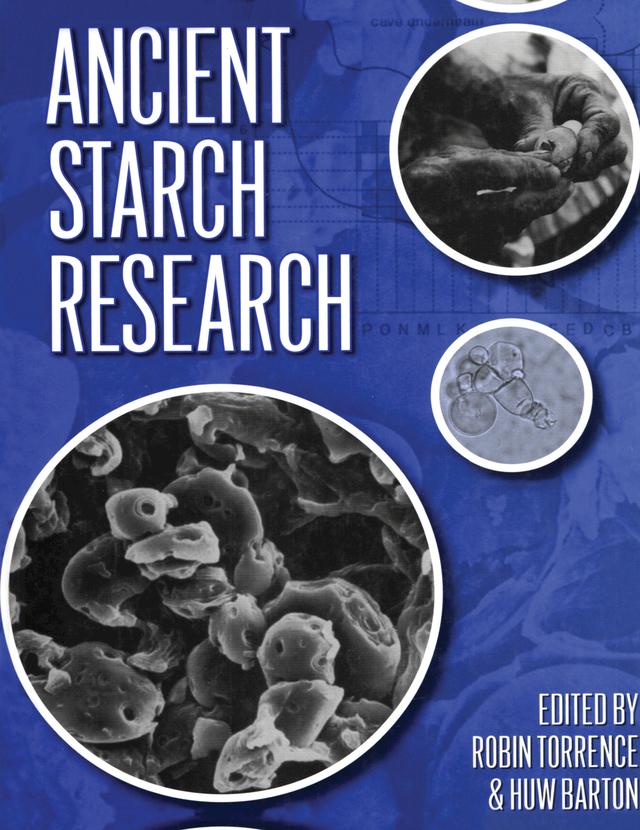
What role did plant resources have in the evolution of the human species? Why and how have plants been managed and transported to new environments? Where, how, and why were plants domesticated, and why do the patterns vary in different parts of the world? What is the relationship between the intensification of food production and the rise of complex societies? Numerous new studies are using starch granules discovered in archaeological contexts to answer these questions and improve our knowledge of past human behavior and environmental variation. Given the substantial body of successful research, the time has clearly come for a comprehensive description of ancient starch research and its potential for archaeologists. This book fills these roles by describing the fundamental principles underlying starch research, guiding researchers through the methodology, reviewing the results of significant case studies, and pointing the way to future avenues for research. The joint product of over two dozen archaeological scientists, Ancient Starch Research aims to bring the important new field of ancient starch analysis to the attention of a wider range of scholars and to provide them with the information needed to embark on their own research.
Betaal eenvoudig met kaart, Klarna, Apple Pay of Google Pay. Niet tevreden? Je hebt altijd 14 dagen bedenktijd. Lees meer in onze voorwaarden. Heb je vragen, mail ons dan via hello@memmo.org.
Memmo maakt studeren makkelijker – waar je ook bent ter wereld. Wij brengen je cursusboeken en slimme studietools samen op één plek: samenvattingen, quizzen, podcasts en flashcards. En Ted, je studievriend die antwoord geeft op alles wat je je afvraagt. Meer dan 50.000 studenten studeren hier al – gebouwd om je sneller te laten leren en minder stress te geven.
Misschien vind je dit ook leuk
Koop het boek0