
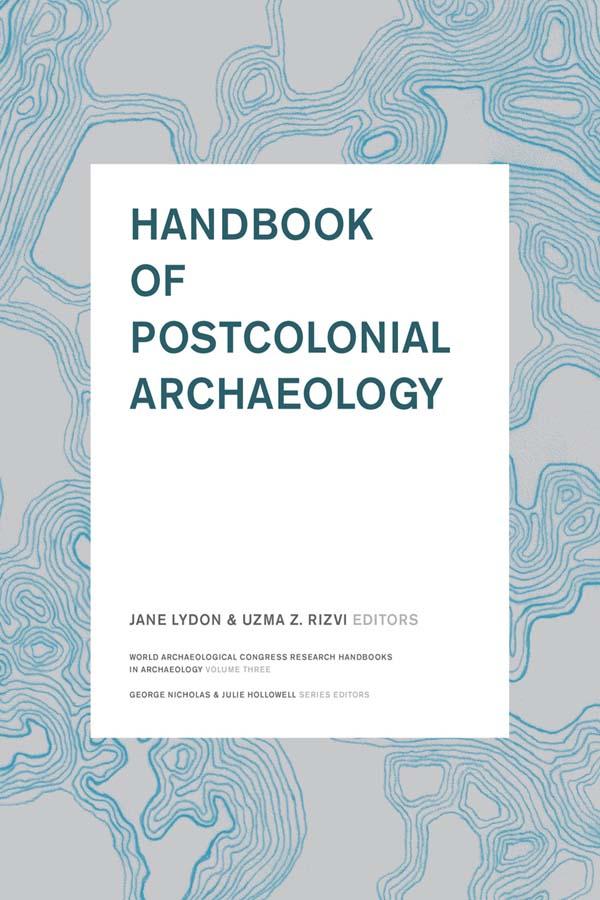
This essential handbook explores the relationship between the postcolonial critique and the field of archaeology, a discipline that developed historically in conjunction with European colonialism and imperialism. In aiding the movement to decolonize the profession, the contributors to this volume—themselves from six continents and many representing indigenous and minority communities and disadvantaged countries—suggest strategies to strip archaeological theory and practice of its colonial heritage and create a discipline sensitive to its inherent inequalities. Summary articles review the emergence of the discipline of archaeology in conjunction with colonialism, critique the colonial legacy evident in continuing archaeological practice around the world, identify current trends, and chart future directions in postcolonial archaeological research. Contributors provide a synthesis of research, thought, and practice on their topic. The articles embrace multiple voices and case study approaches, and have consciously aimed to recognize the utility of comparative work and interdisciplinary approaches to understanding the past. This is a benchmark volume for the study of the contemporary politics, practice, and ethics of archaeology. Sponsored by the World Archaeological Congress
Betaal eenvoudig met kaart, Klarna, Apple Pay of Google Pay. Niet tevreden? Je hebt altijd 14 dagen bedenktijd. Lees meer in onze voorwaarden. Heb je vragen, mail ons dan via hello@memmo.org.
Memmo maakt studeren makkelijker – waar je ook bent ter wereld. Wij brengen je cursusboeken en slimme studietools samen op één plek: samenvattingen, quizzen, podcasts en flashcards. En Ted, je studievriend die antwoord geeft op alles wat je je afvraagt. Meer dan 50.000 studenten studeren hier al – gebouwd om je sneller te laten leren en minder stress te geven.
Misschien vind je dit ook leuk
Koop het boek0