
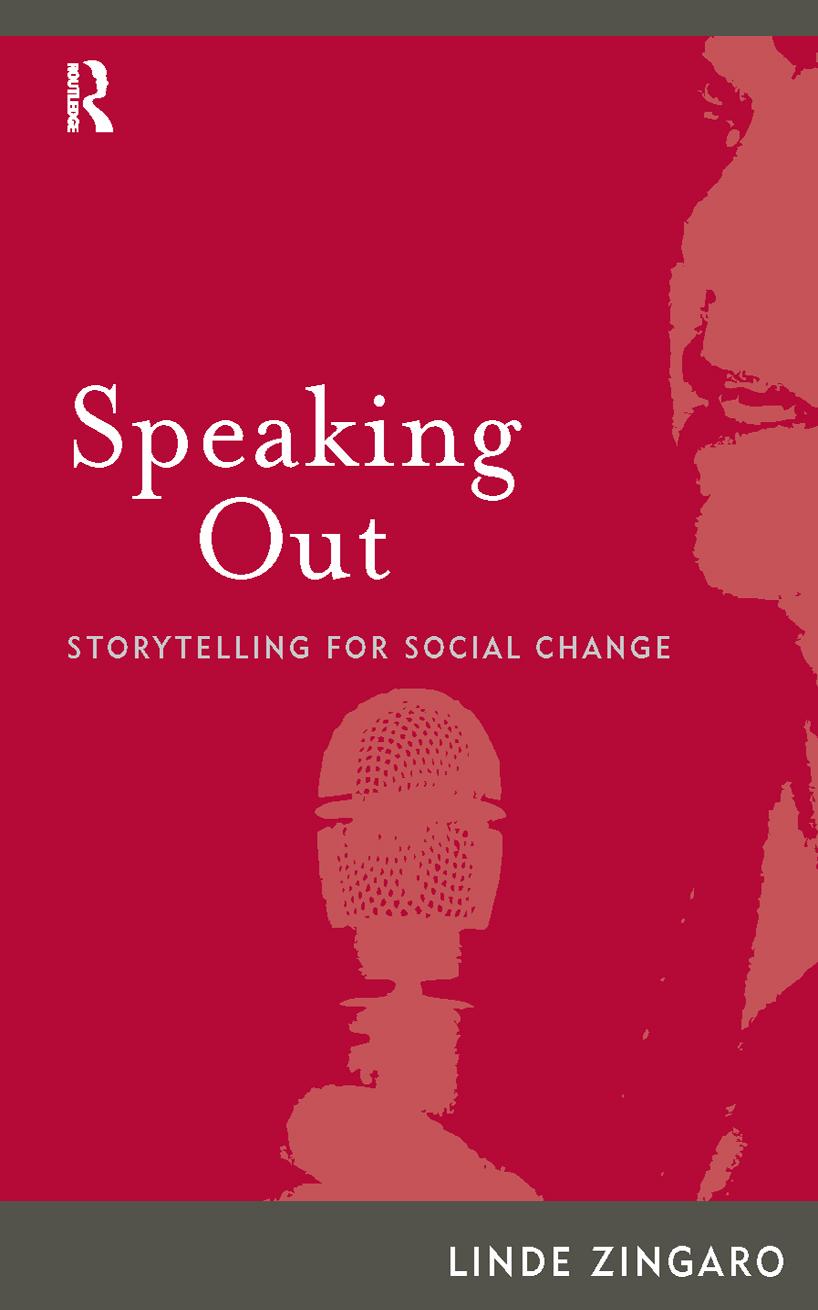
Many professionals in health, education, and community service roles are caught in a particular bind of identity—they live in a complex social borderland of credibility and professional authority while experiencing or having experienced the same discrimination, violence or trauma that they are committed to conquering. For some, the disclosure of their own stories of marginalization has become a tool for advocacy, for telling a larger truth; for others, self-disclosure is a more personal action, intended to assist isolated others in developing trust and connection. Linde Zingaro, a lifelong social service worker and activist, interviewed several colleagues who have chosen to speak out in this way, talking with them about their ethics and intentions, and collaborating to identify some of the risks of negative personal and professional consequences for the practitioner. She uses their voices—and her own—to illustrate some of the ways that these people have learned to safely and effectively use the transformative potential of storytelling as significant social action. This examination of speaking out as a meaningful social practice may help other workers, activists, and community researchers in their efforts to be heard in the interests of a more just society.
Betaal eenvoudig met kaart, Klarna, Apple Pay of Google Pay. Niet tevreden? Je hebt altijd 14 dagen bedenktijd. Lees meer in onze voorwaarden. Heb je vragen, mail ons dan via hello@memmo.org.
Memmo maakt studeren makkelijker – waar je ook bent ter wereld. Wij brengen je cursusboeken en slimme studietools samen op één plek: samenvattingen, quizzen, podcasts en flashcards. En Ted, je studievriend die antwoord geeft op alles wat je je afvraagt. Meer dan 50.000 studenten studeren hier al – gebouwd om je sneller te laten leren en minder stress te geven.
Misschien vind je dit ook leuk
Koop het boek0