
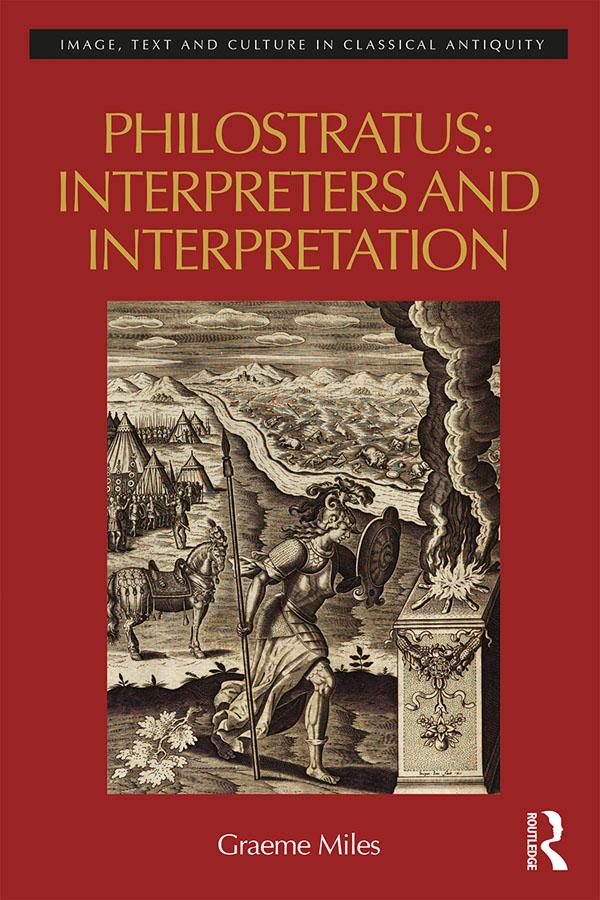
Philostratus is one of the greatest examples of the vitality and inventiveness of the Greek culture of his period, at once a one-man summation of contemporary tastes and interests and a strikingly individual re-inventor of the traditions in which he was steeped. This Roman-era engagement with the already classical past set important precedents for later understandings of classical art, literature and culture. This volume examines the ways in which the labyrinthine Corpus Philostrateum represents and interrogates the nature of interpretation and the interpreting subject. Taking ‘interpretation’ broadly as the production of meaning from objects that are considered to bear some less than obvious significance, it examines the very different interpreter figures presented: Apollonius of Tyana as interpreter of omens, dreams and art-works; an unnamed Vinetender and the dead Protesilaus as interpreters of heroes; and the sophist who emotively describes a gallery full of paintings, depicting in the process both the techniques of educated viewing and the various errors and illusions into which a viewer can fall.
Betaal eenvoudig met kaart, Klarna, Apple Pay of Google Pay. Niet tevreden? Je hebt altijd 14 dagen bedenktijd. Lees meer in onze voorwaarden. Heb je vragen, mail ons dan via hello@memmo.org.
Memmo maakt studeren makkelijker – waar je ook bent ter wereld. Wij brengen je cursusboeken en slimme studietools samen op één plek: samenvattingen, quizzen, podcasts en flashcards. En Ted, je studievriend die antwoord geeft op alles wat je je afvraagt. Meer dan 50.000 studenten studeren hier al – gebouwd om je sneller te laten leren en minder stress te geven.