
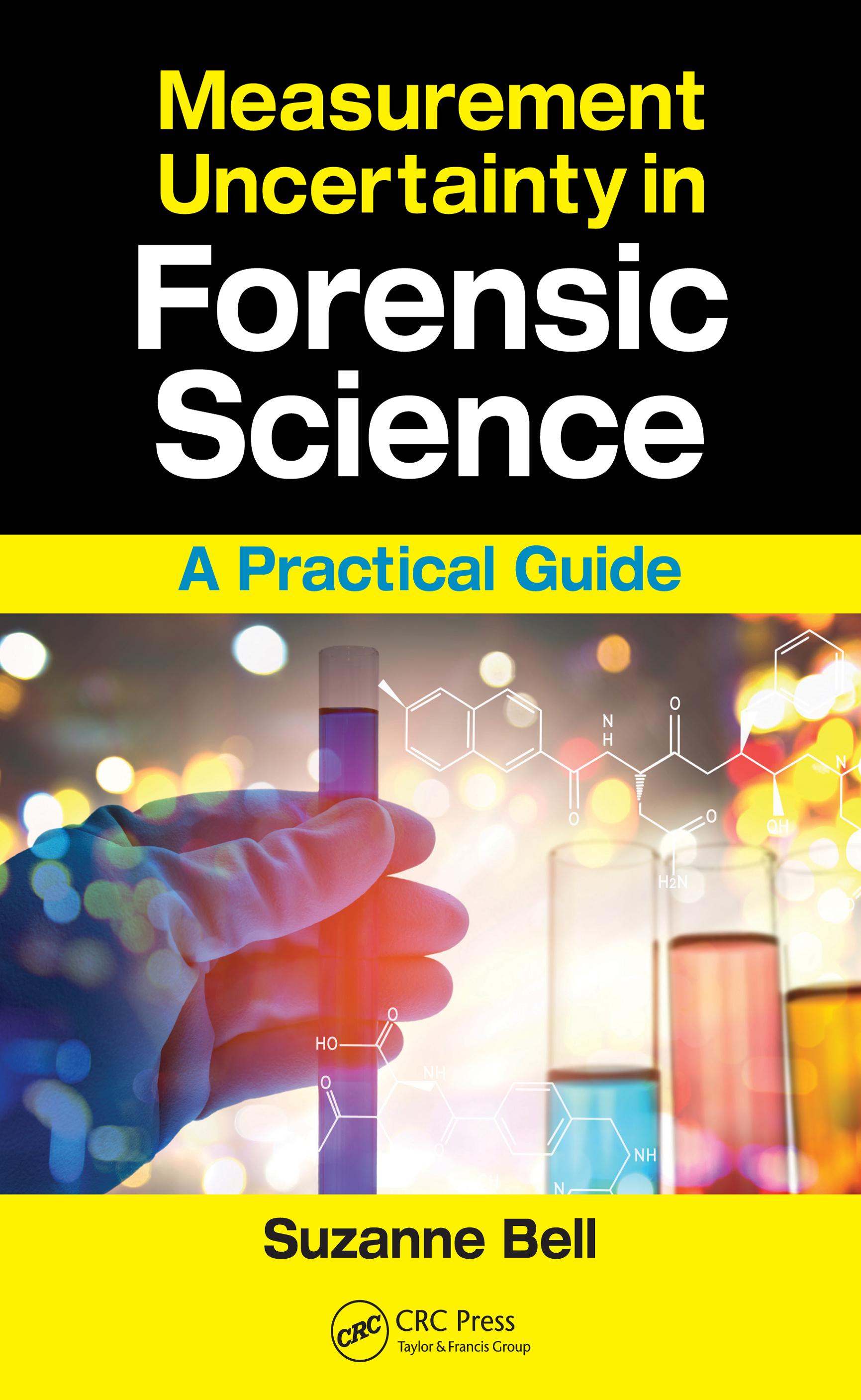
In the courtroom, critical and life-changing decisions are made based on quantitative forensic science data. There is often a range in which a measured value is expected to fall and, in this, an inherent uncertainty associated with such measurement. Uncertainty in this context is not error. In fact, estimations of uncertainty can add to the utility and reliability of quantitative results, be it the length of a firearm barrel, the weight of a drug sample, or the concentration of ethanol in blood.
Measurement Uncertainty in Forensic Science: A Practical Guide describes and defines the concepts related to such uncertainty in the forensic context. The book provides the necessary conceptual background and framework—a baseline—for developing and deploying reasonable and defensible uncertainty estimations across forensic disciplines. Information is presented conceptually, using easily understood examples, to provide a readable, handy reference for scientists in the laboratory, as well as investigators and legal professionals who require a basic understanding of the science underpinning measurement results.
Betaal eenvoudig met kaart, Klarna, Apple Pay of Google Pay. Niet tevreden? Je hebt altijd 14 dagen bedenktijd. Lees meer in onze voorwaarden. Heb je vragen, mail ons dan via hello@memmo.org.
Memmo maakt studeren makkelijker – waar je ook bent ter wereld. Wij brengen je cursusboeken en slimme studietools samen op één plek: samenvattingen, quizzen, podcasts en flashcards. En Ted, je studievriend die antwoord geeft op alles wat je je afvraagt. Meer dan 50.000 studenten studeren hier al – gebouwd om je sneller te laten leren en minder stress te geven.