
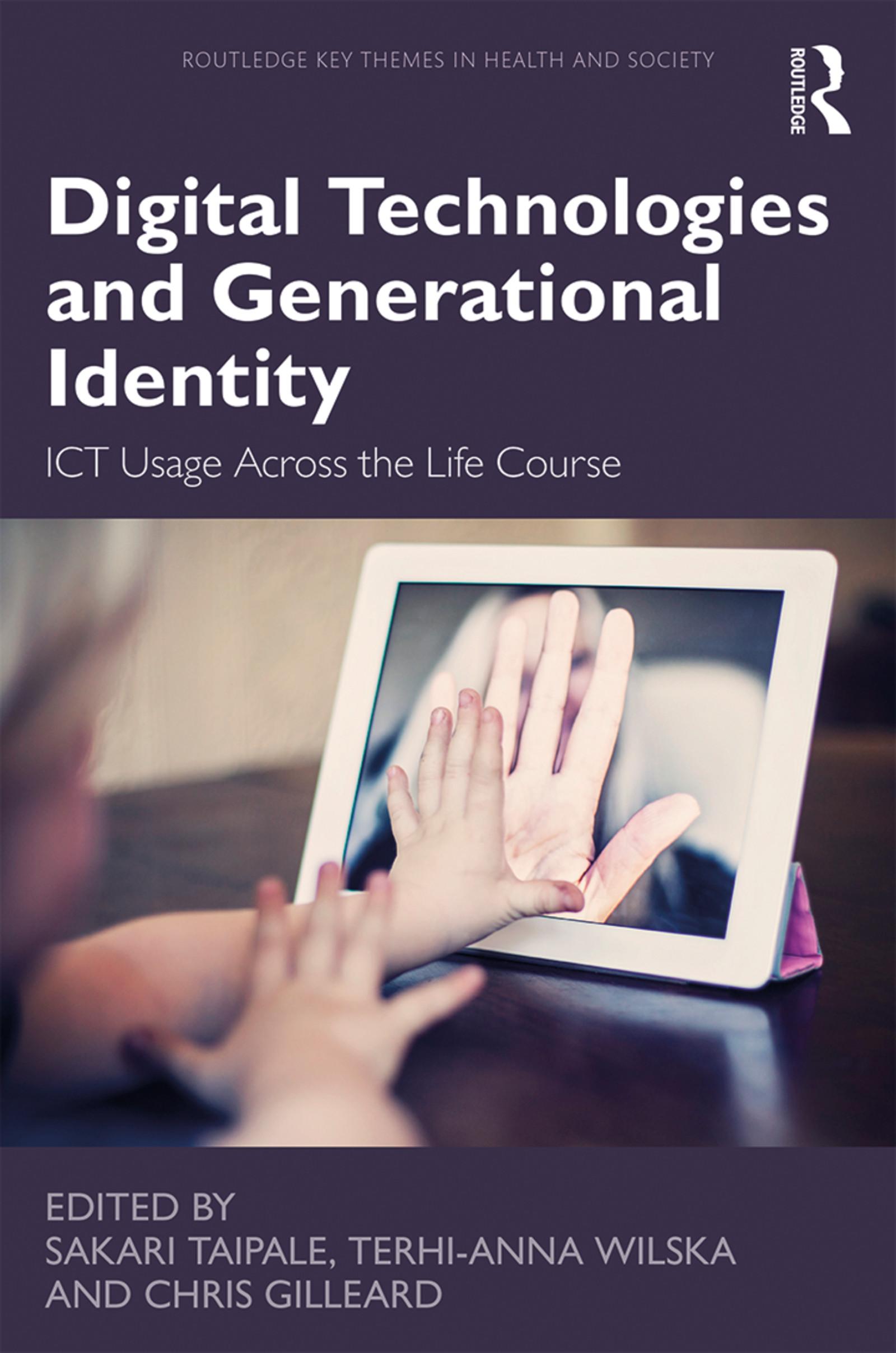
The short lifetime of digital technologies means that generational identities are difficult to establish around any particular technologies let alone around more far-reaching socio-technological ‘revolutions’. Examining the consumption and use of digital technologies throughout the stages of human development, this book provides a valuable overview of ICT usage and generational differences. It focuses on the fields of home, family and consumption as key arenas where these processes are being enacted, sometimes strengthening old distinctions, sometimes creating new ones, always embodying an inherent restlessness that affects all aspects and all stages of life.
Combining a collection of international perspectives from a range of fields, including social gerontology, social policy, sociology, anthropology and gender studies, Digital Technologies and Generational Identity weaves empirical evidence with theoretical insights on the role of digital technologies across the life course. It takes a unique post-Mannheimian standpoint, arguing that each life stage can be defined by attitudes towards, and experiences of, digital technologies as these act as markers of generational differences and identity.
It will be of particular value to academics of social policy and sociology with interests in the life course and human development as well as those studying media and communication, youth and childhood studies, and gerontology.
Betaal eenvoudig met kaart, Klarna, Apple Pay of Google Pay. Niet tevreden? Je hebt altijd 14 dagen bedenktijd. Lees meer in onze voorwaarden. Heb je vragen, mail ons dan via hello@memmo.org.
Memmo maakt studeren makkelijker – waar je ook bent ter wereld. Wij brengen je cursusboeken en slimme studietools samen op één plek: samenvattingen, quizzen, podcasts en flashcards. En Ted, je studievriend die antwoord geeft op alles wat je je afvraagt. Meer dan 50.000 studenten studeren hier al – gebouwd om je sneller te laten leren en minder stress te geven.