
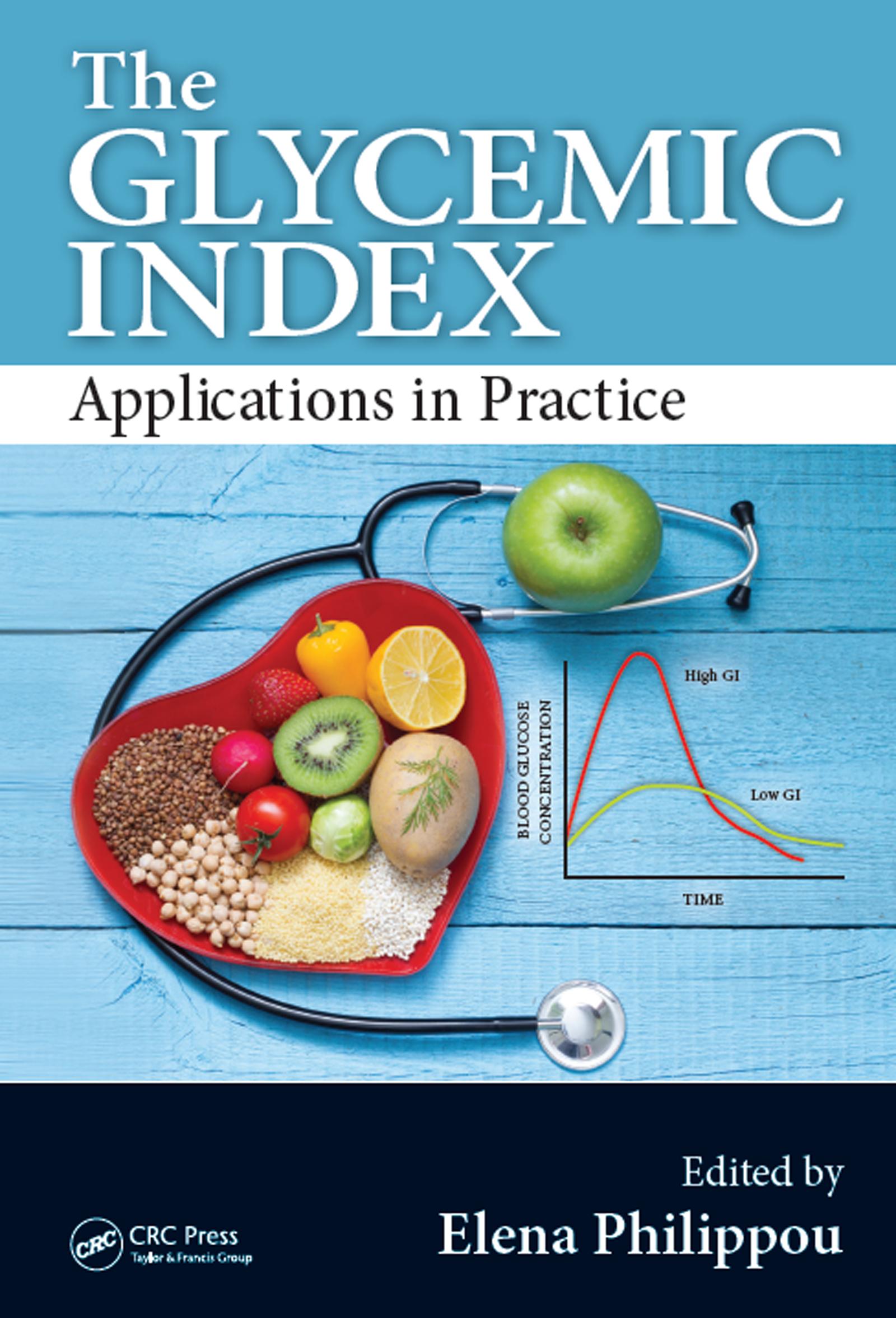
In 1981, David Jenkins, Thomas Wolever, and colleagues introduced the concept of the glycemic index (GI) to differentiate carbohydrates based on the rate of blood glucose rise following their consumption. Although GI was first used in diet therapy for diabetes, research evidence has accumulated since then to thousands of publications from all over the world with applications for prevention and/or management of many diseases, as well as effects on physiological states and exercise.
The Glycemic Index: Applications in Practice has gathered together, in an unbiased and critical way, all the evidence and research on GI, including diabetes, cardiovascular disease, cancer, obesity, polycystic ovary syndrome, pregnancy outcomes, sports performance, eye health, and cognitive functioning. It provides a detailed explanation on how to correctly measure a food’s GI, how the GI of food products can be altered, as well as the use and misuse of GI labelling around the globe.
The contributors are either pioneers or experts in the area of GI from all around the globe, including Australia, Canada, Europe, and the United States. The book is a valuable source of information for healthcare professionals of various disciplines, nutritionists, dietitians, food scientists, medical doctors, sports scientists, psychologists, public health (nutrition) policy makers, and students in these fields, as well as an important addition to university libraries.
Betaal eenvoudig met kaart, Klarna, Apple Pay of Google Pay. Niet tevreden? Je hebt altijd 14 dagen bedenktijd. Lees meer in onze voorwaarden. Heb je vragen, mail ons dan via hello@memmo.org.
Memmo maakt studeren makkelijker – waar je ook bent ter wereld. Wij brengen je cursusboeken en slimme studietools samen op één plek: samenvattingen, quizzen, podcasts en flashcards. En Ted, je studievriend die antwoord geeft op alles wat je je afvraagt. Meer dan 50.000 studenten studeren hier al – gebouwd om je sneller te laten leren en minder stress te geven.